Virtual Staging vs Local Home Staging Near Me: Speed, Cost & Quality Comparison
If you’re Googling “staging companies near me” or “home stagers near me,” you’re probably already convinced that your listing needs staging. The real question is what kind of staging will give you the best result for your budget and timeline.
In practice, you’re choosing between two main paths:
- Local home staging services – hire a nearby stager, bring in physical furniture, and stage the property in person.
- Virtual staging services – use digital tools to furnish and style your listing photos instead of the property itself.
This article is written for you as the decision-maker. It walks through what actually changes when you choose virtual staging instead of a local staging company, focusing on:
- How pricing compares per photo and per typical 3-bedroom listing.
- How quickly each option can deliver finished listing photos.
- How realistic and reliable the results are.
- When local staging still makes sense – and when virtual staging is the better fit.
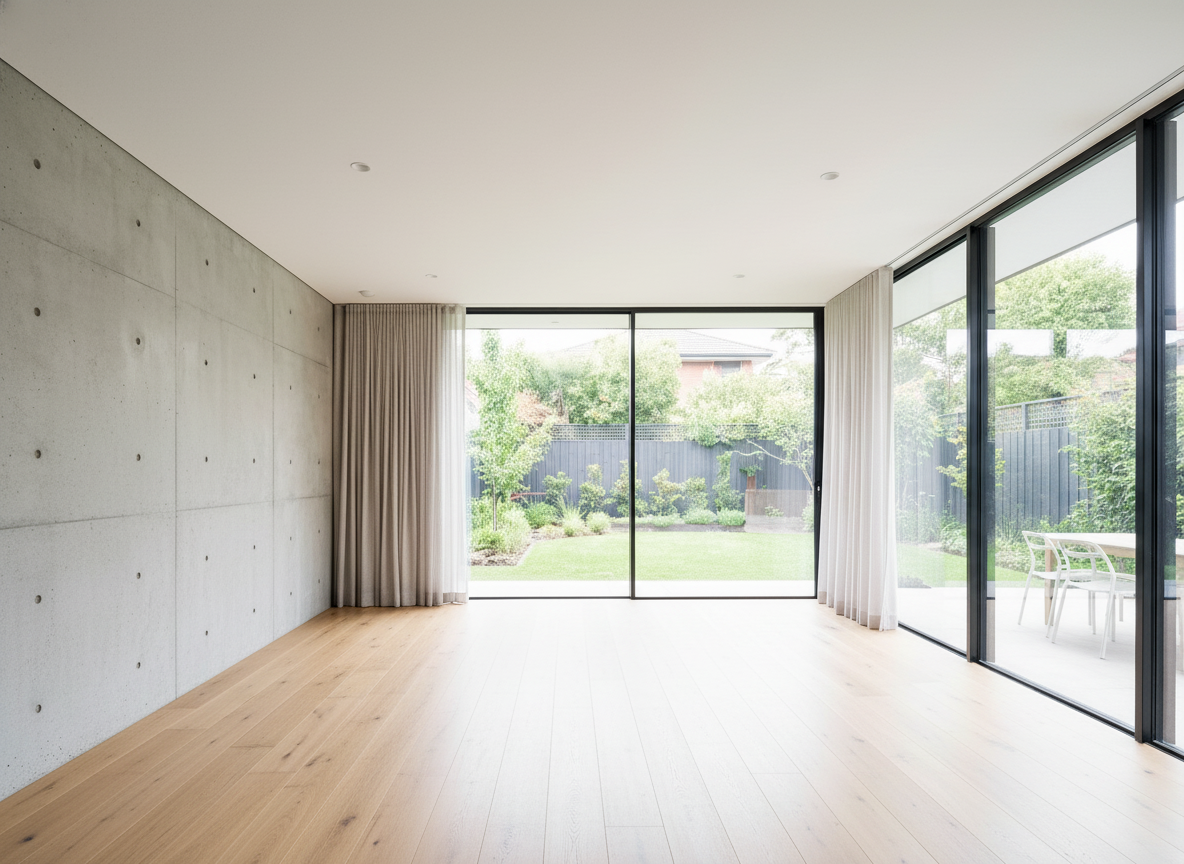
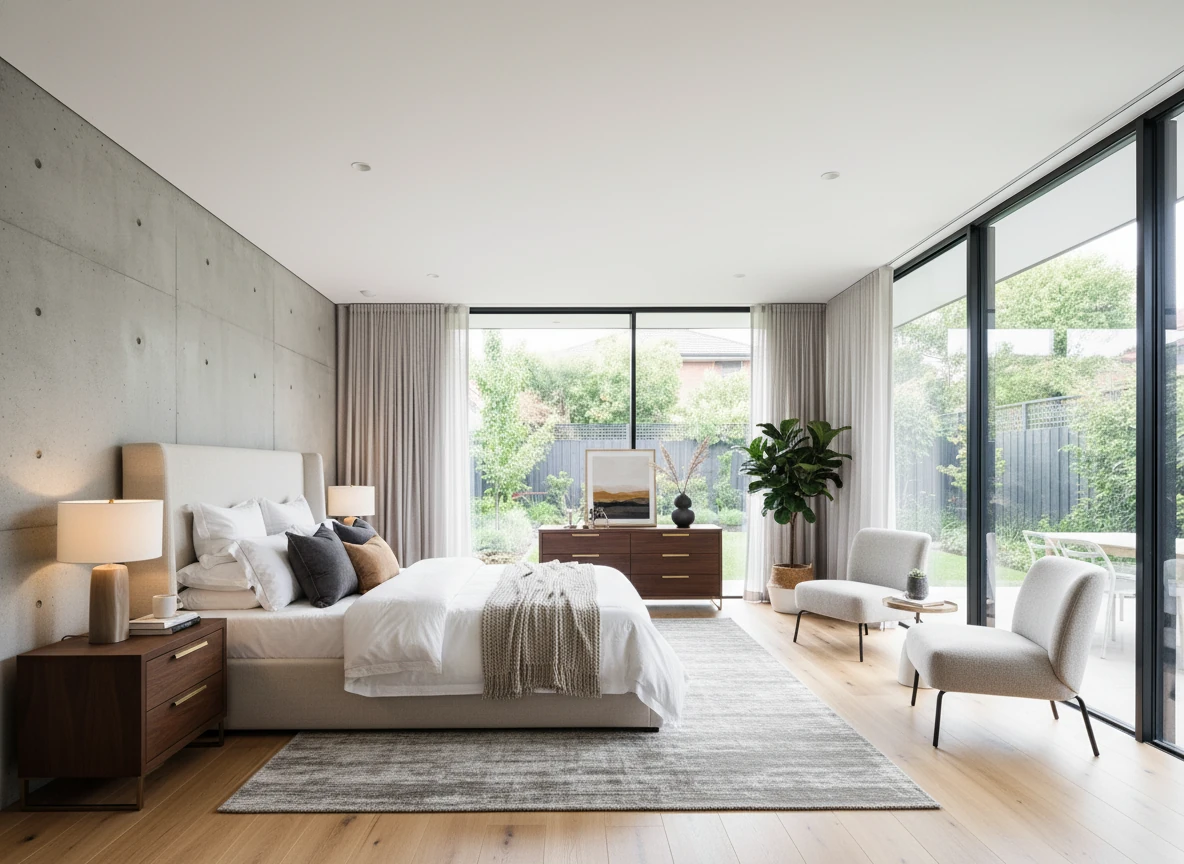
Virtual Staging • Luxury • Bedroom
Why You’re Probably Looking for Local Home Staging
Before you compare options, it helps to be clear about what you’re actually trying to solve by searching for “home staging services near me.”
Chances are, you want:
- Better listing photos that stand out on crowded portals instead of blending in.
- Help with design decisions – what size sofa, what layout, which style fits the property and buyer.
- A faster sale or higher perceived value without doing a full renovation.
Local stagers usually address this by:
- Visiting your property in person.
- Bringing in physical furniture and decor.
- Styling key rooms for showings and photography.
This can work very well for the right listing – but it also comes with trade-offs in cost, timing, and flexibility. That’s where virtual staging starts to look like a serious alternative.
Local Home Staging: Strengths and Limitations
Where Local Staging Works Well
Local staging can be a strong fit when:
- You’re preparing a high-end property where in-person impressions matter.
- You expect a lot of in-person showings and open houses.
- The home will be on the market long enough to justify the furniture rental.
Common Pain Points With Local Staging
However, many people hit the same set of problems:
- High upfront cost – furniture rental, design time, delivery, installation, and removal.
- Long timelines – scheduling, install days, and coordination with photography.
- Limited flexibility – once the furniture is in, changing styles or layouts is expensive.
For price-sensitive or time-sensitive listings, these friction points make virtual staging appealing.
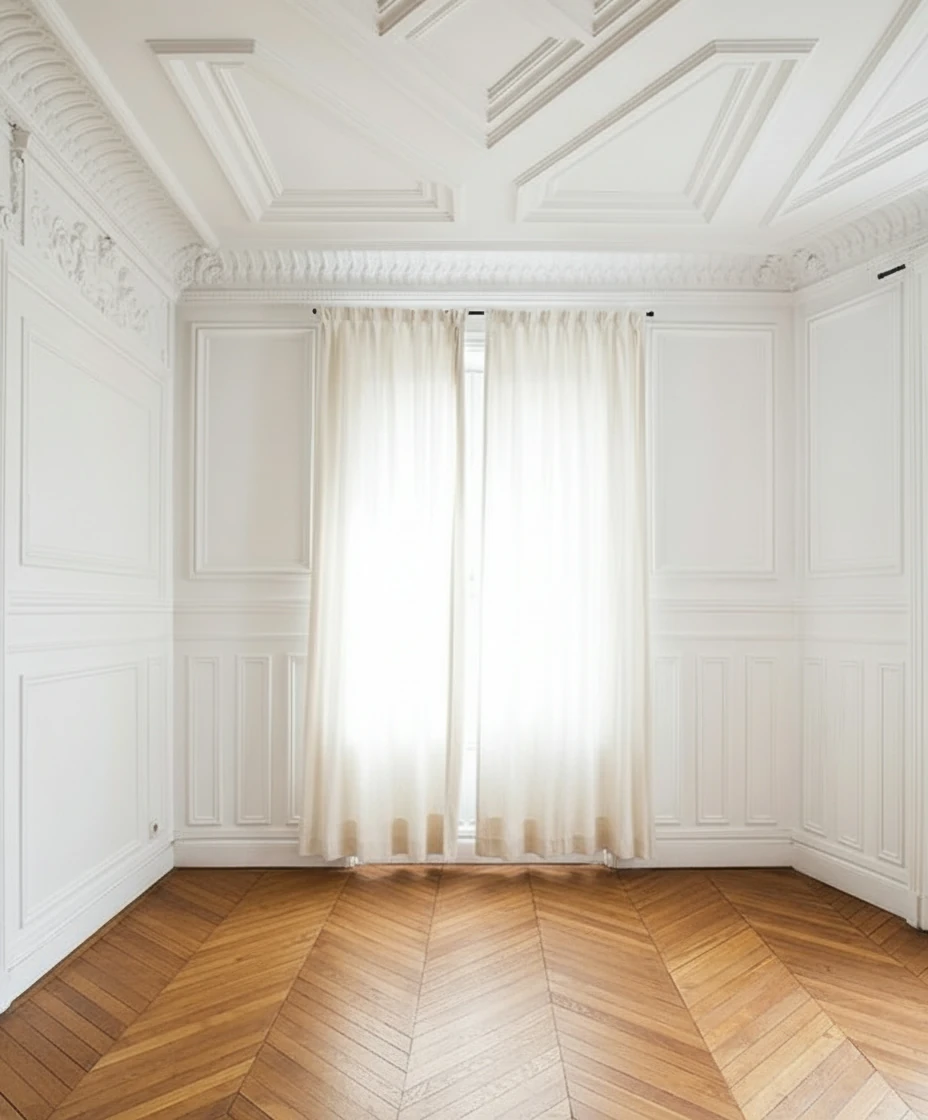
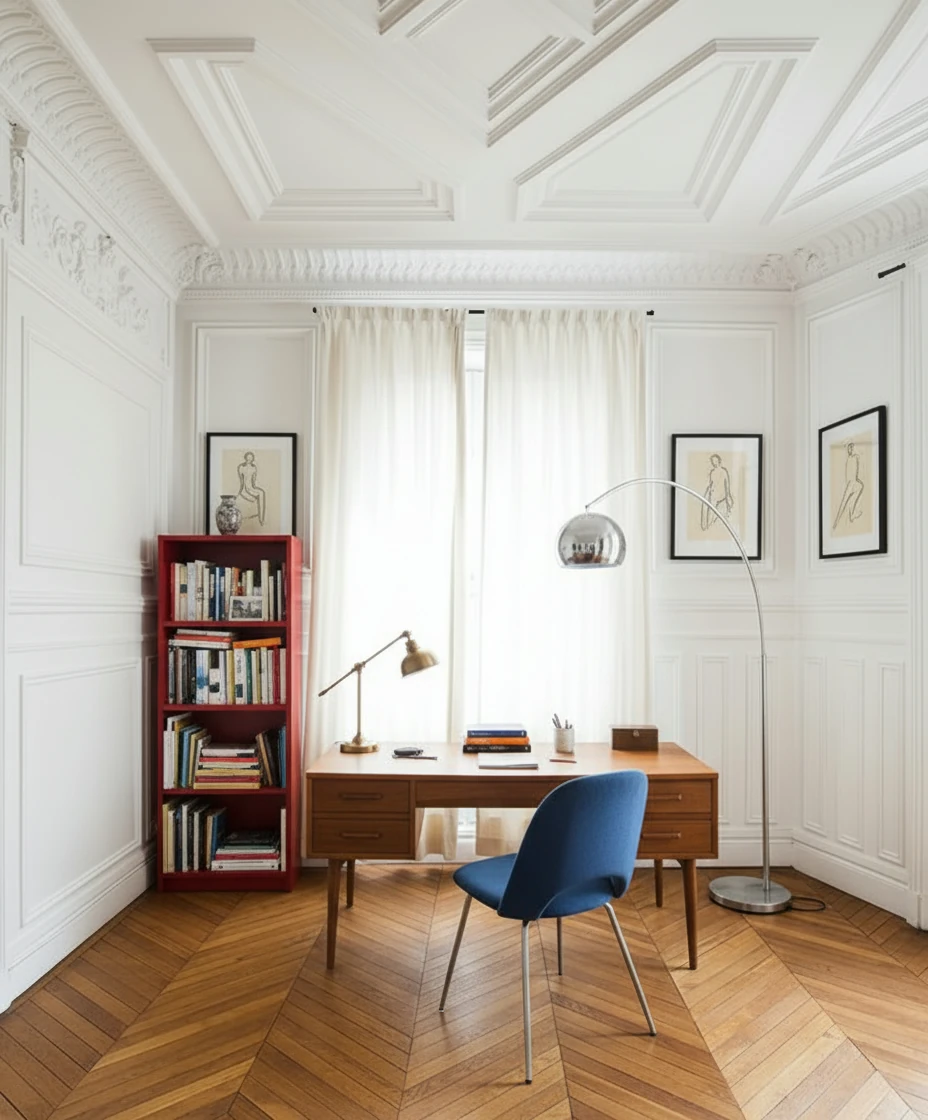
Furnish the study with a mid-century wooden desk centered in front of tall, cream-draped windows, paired with a blue-upholstered chair featuring metal legs. Place a vintage desk lamp and neatly arranged books and stationery on the desk. To the left, add a red open bookshelf filled with books and decorative objects. Include a tall arched chrome floor lamp curving over the desk for dramatic lighting. Hang two framed figure drawings symmetrically on either side of the window. Keep the ornate white paneled walls and chevron wood floor exposed for a refined Parisian atmosphere.
Virtual Staging as a Modern Alternative
Virtual staging takes a different route:
- Instead of furnishing the property, you furnish the photos.
- You start with real estate photos of empty or outdated rooms.
- Software (or human editors) adds furniture, decor, and lighting digitally.
On AI-first platforms like Stager Go, this happens inside a template-based workspace:
- You upload listing photos.
- Choose room type and design style.
- Let the AI generate staged versions in seconds to minutes, instead of days.
The result is a full set of MLS-ready photos that show furnished rooms, without moving a single piece of furniture into the property.
Cost Comparison: Local Staging vs Virtual Staging
At a high level, you’re comparing project-based, furniture-rental pricing with per-photo virtual staging.
| Aspect | Local home staging (in-person) | Virtual staging (e.g. Stager Go) |
|---|---|---|
| How you pay | Upfront design/install fee + monthly furniture rental + removal fee | Per staged photo or bundle of photos; no furniture rental or removal |
| Typical 3-bedroom listing | Often reaches four figures once you include install + 1–2 months of rental | Stage 5–8 key photos for about $1-3 per listing, with room for retries and style tests |
| What’s included | Physical furniture, decor, on-site styling, and show-ready rooms | High-quality, listing-ready images for online portals, marketing, and print |
For many listings, virtually staging only the photos that matter most (living room, primary bedroom, a few key secondary rooms) gives you most of the marketing upside at a significantly lower total cost.
Speed and Flexibility: How Fast Can You Go Live?
Local Staging Timelines
With local staging, you typically have to:
- Contact multiple staging companies and compare quotes.
- Schedule a site visit or design consult.
- Agree on a plan, sign a contract, and book installation.
- Wait for delivery, install, and styling.
- Schedule photography after staging is complete.
This can work well for planned launches, but if your listing needs to go live next week, it becomes a bottleneck.
Virtual Staging Timelines
With AI virtual staging, the workflow is much shorter:
- Shoot or upload existing listing photos.
- Select room types and styles.
- Generate staged images and pick your favorites.
On Stager Go, most images are ready in 30 seconds to a couple of minutes once you click generate. That means you can:
- Stage a full set of photos in a single working session.
- Quickly request additional styles or layout variations.
- React to last-minute changes without rebooking a crew.
Quality and Realism: Will Buyers Notice the Difference?
Local Staging Quality
High-quality local staging can look fantastic in person and in photos. But results depend heavily on:
- The stager’s inventory and design taste.
- How well the furniture fits the property’s actual size and layout.
- How much budget is available for each project.
It can also be hard to keep a consistent visual style across multiple listings when working with different local vendors.
Virtual Staging Quality
Modern AI virtual staging can look ultra-photorealistic when:
- You start from well-shot listing photos.
- You choose realistic, buyer-appropriate styles.
- The edits respect the true structure of the room (no fake windows or hidden damage).
On Stager Go, virtual staging templates are tuned specifically for real estate use:
- Room types (living room, bedroom, office, etc.) guide layout and furniture scale.
- Styles map to real buyer profiles (modern, Scandinavian, luxury, coastal, and more).
- Outputs are designed to look like professional photography, not cartoonish renderings.
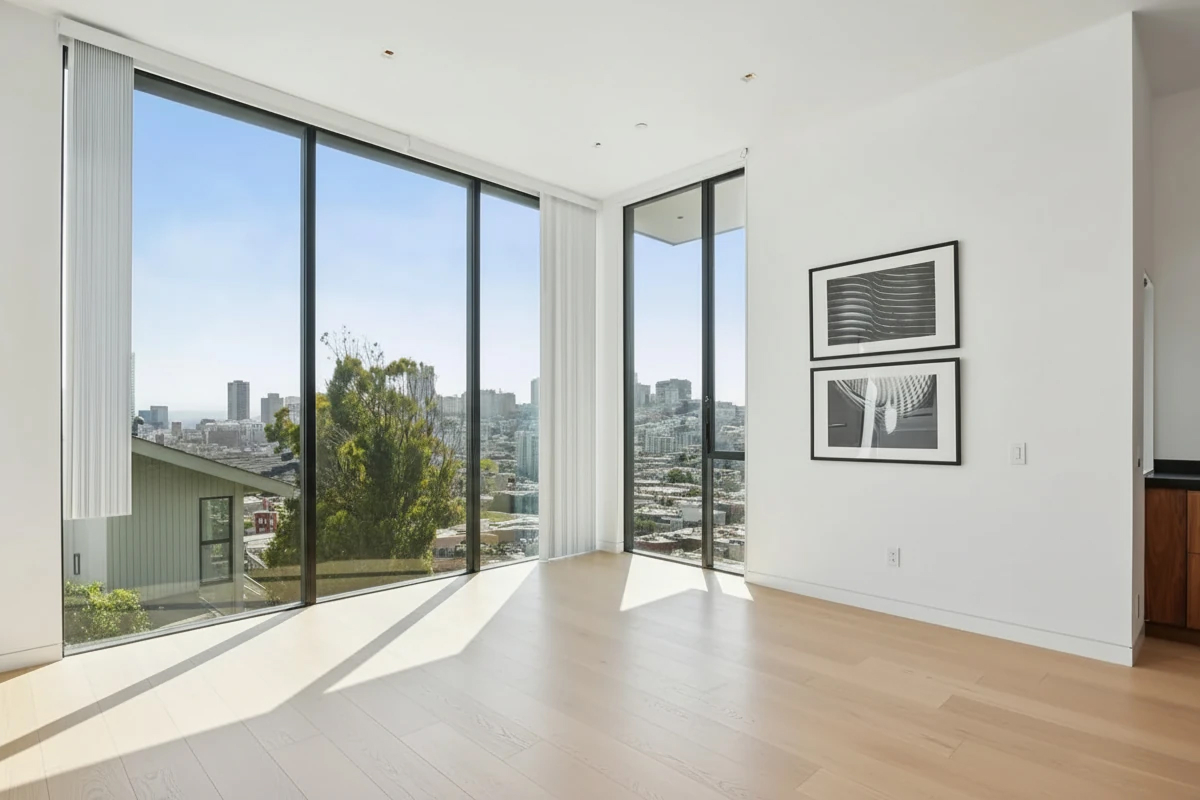
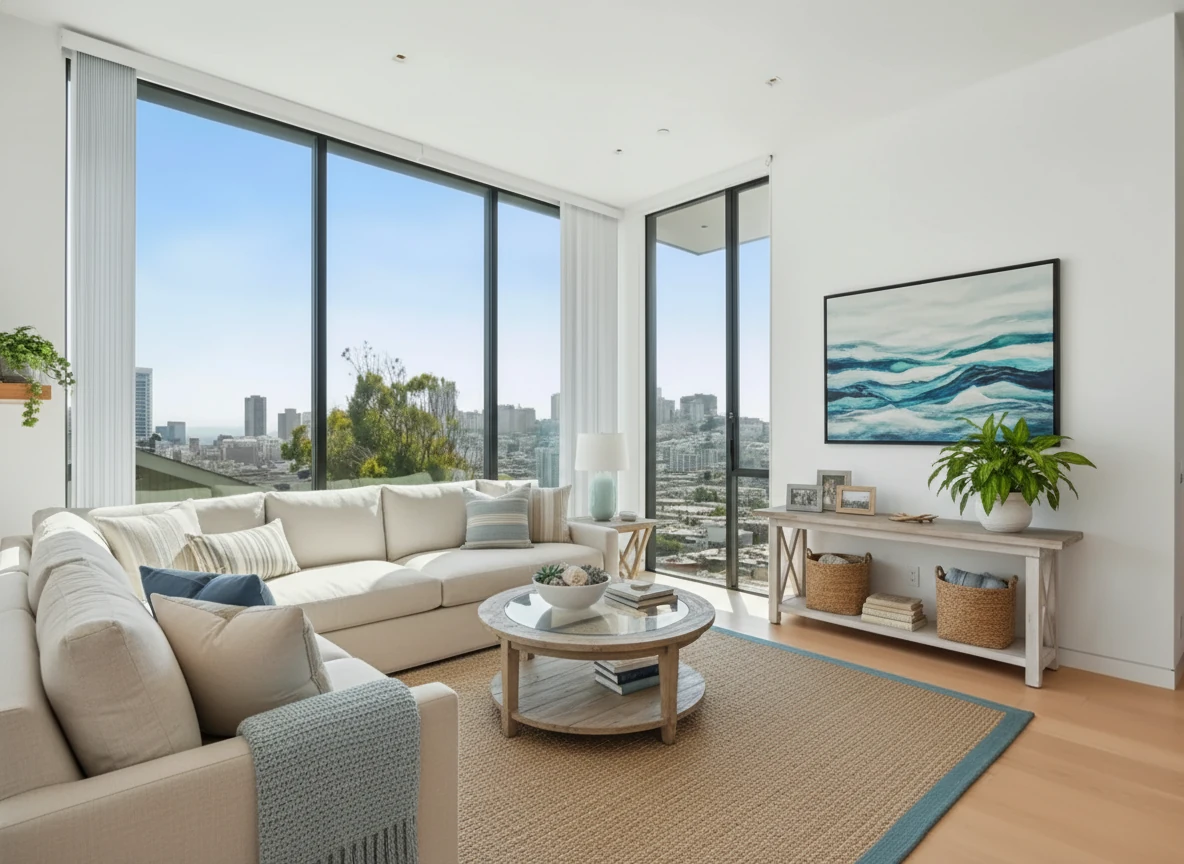
Virtual Staging • Coastal • Living Room
When Virtual Staging Is the Better Choice
Virtual staging is often the stronger option when:
- The property is vacant, and you mainly need better photos for online portals.
- Budget is tight, but you still want high-impact visuals.
- Timeline is short, and there’s no time to coordinate a full staging install.
- You want to test different styles for marketing (e.g. modern vs coastal) without swapping real furniture.
It’s also ideal for:
- Investment properties and rentals.
- Smaller condos and apartments where full staging may not be cost-effective.
- Sellers who have already moved out and don’t want extra disruption.
When Local Staging Still Makes Sense
Local staging can still be the right call when:
- You expect many in-person showings and open houses, and furnished rooms will make a strong emotional impact.
- You’re marketing a luxury or flagship property where every detail matters on-site.
- The home will stay on the market long enough to justify multiple months of furniture rental.
In these cases, you can also use virtual staging alongside local staging – for example, to explore alternate design directions for marketing materials, or to refresh visuals later without reinstalling furniture.
How to Decide for Your Next Listing
If you’re comparing “virtual staging services” with “home stagers near me,” use these questions to guide your choice:
- What’s my timeline? If you need photos this week, virtual staging is usually more realistic.
- What’s my budget? If full staging feels expensive for this specific property, try virtually staging key rooms.
- How important are in-person impressions? If showings are the main sales driver, a hybrid or fully local approach might be worth it.
- How many listings do I manage? If you handle many properties, the scalability of AI staging quickly becomes a major advantage.
On Stager Go, you can start by virtually staging one listing, compare engagement to your past local-staged or unstaged listings, and then decide how heavily to lean on virtual staging going forward.
Next Steps
If you already have a local stager in mind, you don’t have to choose immediately. You can:
- Virtually stage 3–5 key rooms to test demand and interest online.
- Decide whether the property truly needs full in-person staging for showings.
- Use virtual staging as your baseline, and reserve local staging budget for only the most critical or premium listings.
If you’re ready to see the difference, you can:
- Upload a few empty-room photos.
- Choose room type and style presets that match your buyer.
- Generate virtual staged versions and compare them to your current listing photos.
From there, you’ll have real images and data to decide whether virtual staging can replace – or at least reduce – your dependence on traditional local home staging services.


Day to Dusk • Pool Area
Summary: Choosing Between Local and Virtual Home Staging
When you search for “staging companies near me,” you’re really deciding how to present your property:
- Local home staging brings physical furniture into the space and can be powerful for in-person showings, especially on high-end or flagship listings.
- Virtual staging focuses on the photos that sell the property online first, using AI to furnish and style rooms digitally.
Compared side by side:
- Cost – local staging often reaches four figures per 3-bedroom listing, while AI virtual staging on platforms like Stager Go can stage 5–8 key photos for a small fraction of that.
- Speed – local staging works on multi-day timelines; AI staging delivers images in minutes so you can go live faster and iterate more.
- Realism – good local staging looks great in person and in photos; modern AI virtual staging can look ultra-photorealistic when you start from well-shot images and choose realistic styles.
For many properties, especially time-sensitive or price-sensitive ones, virtual staging gives you most of the marketing upside without the complexity of a full staging install. You can always reserve local staging for a smaller set of premium listings where in-person impact is critical.
If you’re unsure, start with one listing, virtually stage a handful of rooms, and compare performance against your previous “near me” staging approach.
Related Articles and Resources
If you’d like to go deeper or see specific workflows, these related pages are a good next step:
- Virtual Home Staging Complete Guide – Full breakdown of AI virtual staging, costs, examples, and workflows
- AI Virtual Staging Tutorial – Step-by-step tutorial for transforming empty rooms into staged photos
- AI Virtual Staging Guide on Stager Go – A detailed guide to using Stager Go’s template-based workspace