Virtual Staging in Los Angeles: Cost, Timeline, and Best Practices
If you’re evaluating virtual staging in Los Angeles, you usually need one thing: listing-ready photos that look credible enough to drive clicks and showings without waiting days for a full physical staging install. In LA’s fast inventory cycles, speed matters, but so does realism.
This guide focuses on transactional decisions:
- What virtual staging in Los Angeles typically costs
- How fast you can get usable outputs
- When AI staging is the better operational choice vs local physical staging
- How to avoid the quality mistakes that can hurt buyer trust
If you’re still comparing service options, start with the parent overview of AI virtual staging software.
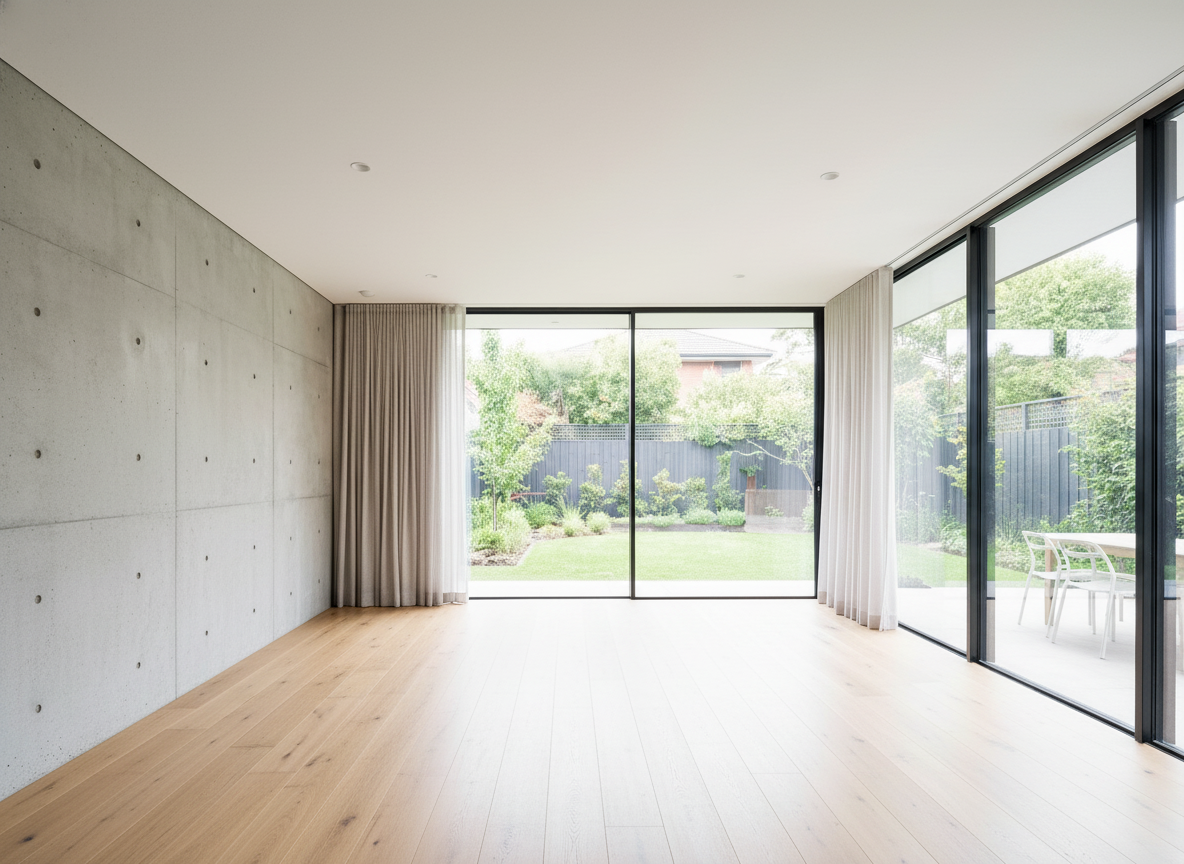
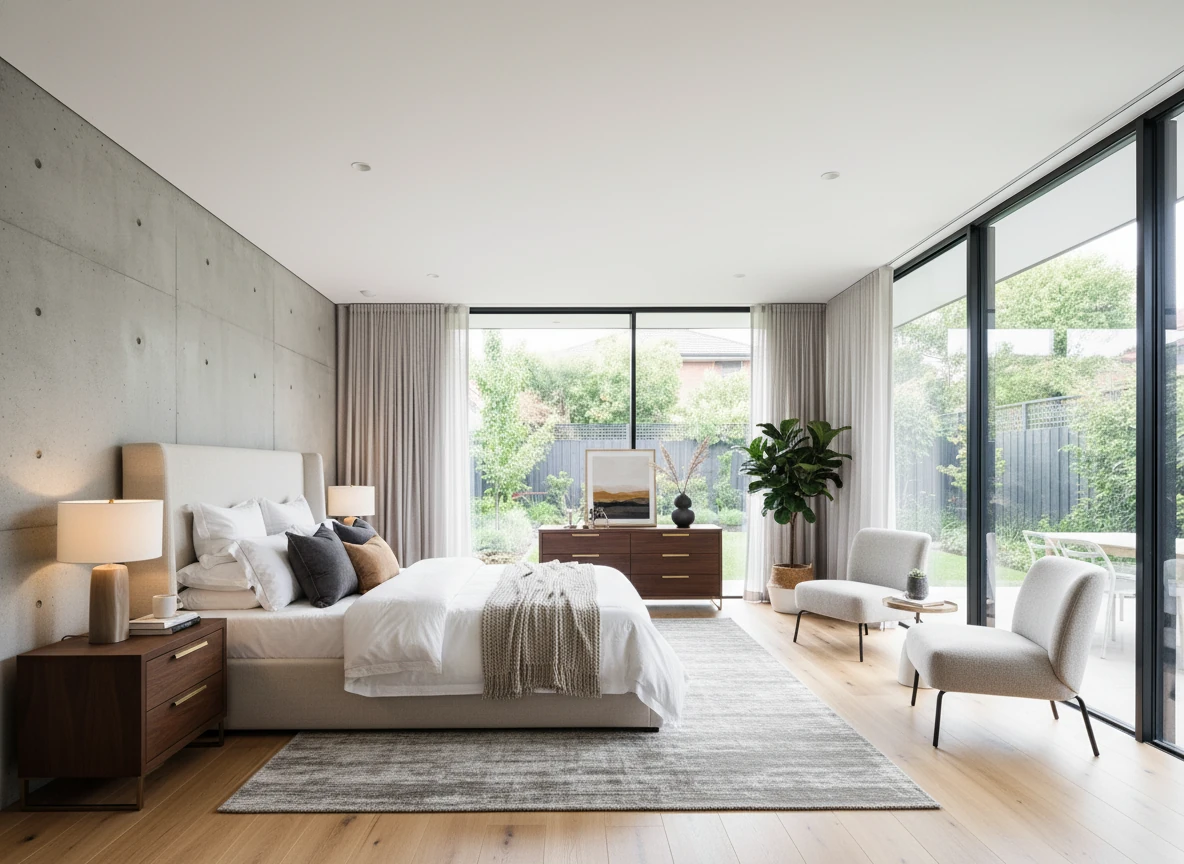
Virtual Staging • Luxury • Bedroom
What Los Angeles Teams Usually Mean by “Virtual Staging Service”
For most agents and photo editors, real estate photo editing in Los Angeles includes one or more of the following:
- Add furniture/decor to vacant rooms
- Remove outdated furniture and restage digitally
- Minor styling shifts to match likely buyer profile (modern, transitional, coastal contemporary)
The deliverable is not “design consultation.” It is a set of listing images that helps buyers understand scale, layout, and use of space.
That distinction matters because it affects both budget and timeline expectations.
Cost Benchmarks: Virtual vs Physical in LA
Local physical staging in Los Angeles often bundles consultation, install labor, furniture rental, and pickup. Published ranges vary by neighborhood, property size, and rental duration, but many 2–3 bedroom projects land in the low four-figure to mid-four-figure range.
Virtual staging is usually priced per image. Typical market ranges are:
- Basic virtual staging: about $20–$40 per photo
- More complex edits (replacement + cleanup): about $30–$60 per photo
- Rush/complex premium work: can exceed these ranges
For teams that only need strong MLS/gallery visuals, staging 6–10 key photos is often materially cheaper than full physical staging.
| Option | Typical pricing model | Practical total for one listing |
|---|---|---|
| Physical staging (LA market) | Project + rental duration | Often four figures and up |
| Virtual staging | Per image | Commonly a few hundred dollars for core photos |
For deeper budgeting logic, see virtual staging cost breakdown per photo, per listing, per month.
Turnaround: What “Fast” Actually Means
For listing operations, turnaround is usually the deciding factor.
- Physical staging: planning + scheduling + install + photography can stretch from several days to multiple weeks.
- Virtual staging: from upload to final outputs can be minutes (AI workflow) to 24–48 hours (manual editing service), depending on provider and revision cycle.
In practice, faster turnaround helps when:
- A listing date moved up
- A vacant unit must be marketed immediately
- You need multiple style variants without re-shooting
That speed advantage is why many teams run virtual first and reserve physical staging for high-stakes in-person showcase properties.
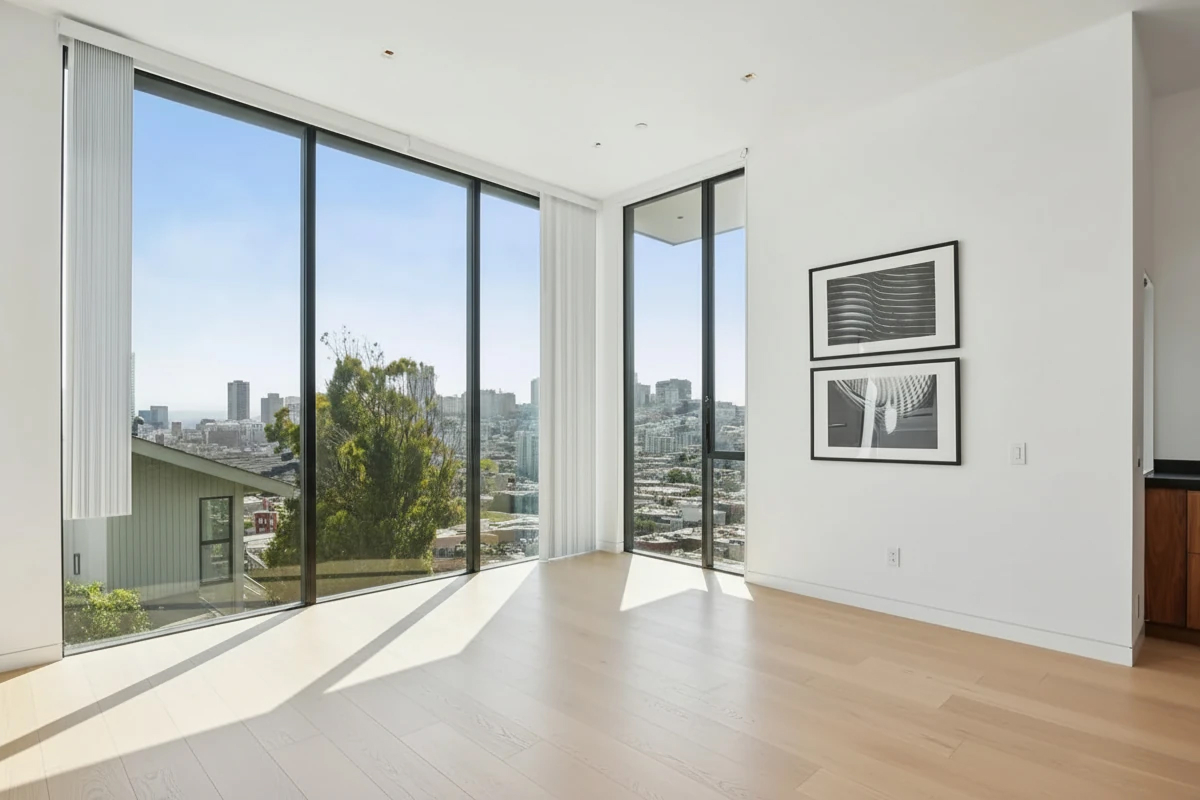
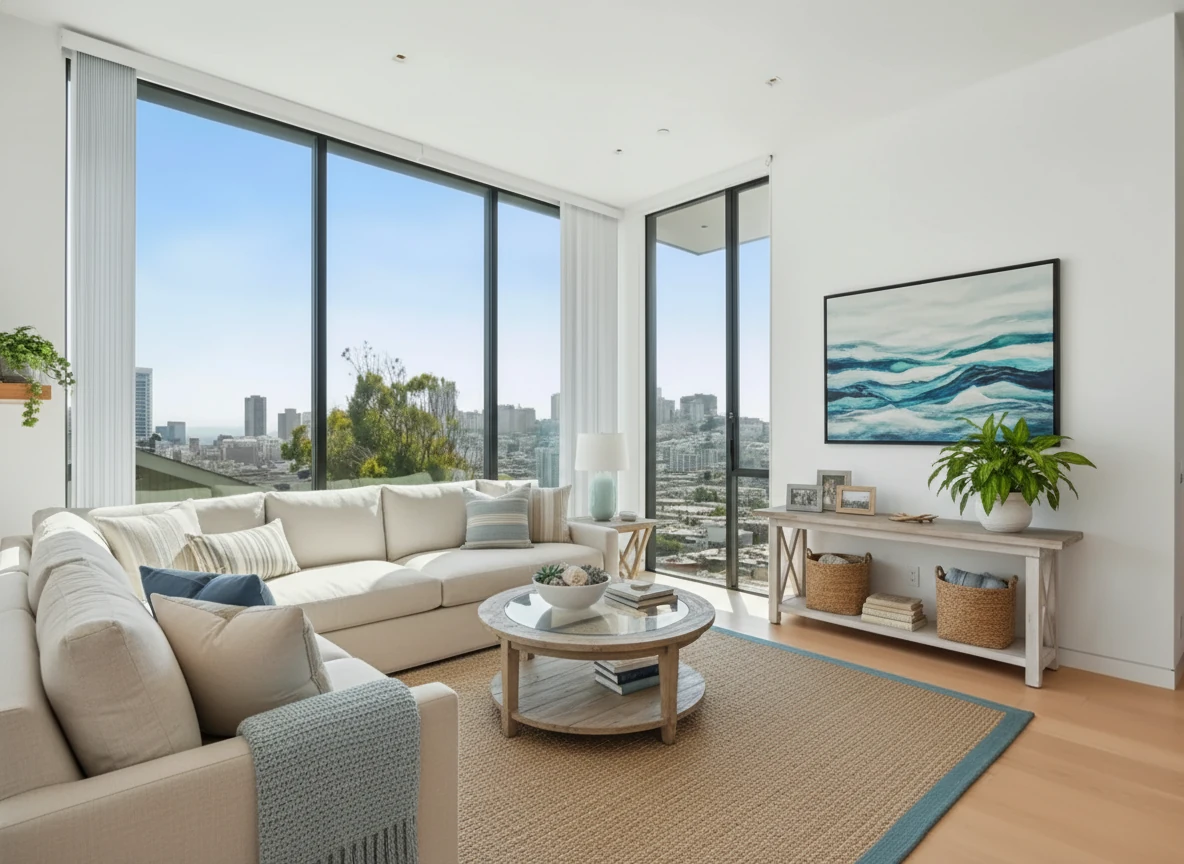
Virtual Staging • Coastal • Living Room
Best Practices for LA Listing Quality (So Images Don’t Look Fake)
1) Start with clean source photography
Virtual staging quality is capped by source quality. Use straight verticals, consistent daylight exposure, and adequate resolution before editing.
2) Match style to likely buyer profile
In Los Angeles, style mismatch is a common conversion drag. A downtown condo and a suburban family listing should not receive identical furniture logic.
3) Keep edits honest to room geometry
Do not alter permanent architecture or hide structural defects. Misleading edits increase inquiry friction and can create compliance risk.
4) Prioritize key conversion rooms first
If budget is constrained, stage:
- Living room
- Primary bedroom
- Kitchen/dining view
These rooms typically influence click-through and showing intent most.
5) Use side-by-side proof for stakeholder alignment
Before/after format helps sellers and team members approve style direction quickly.
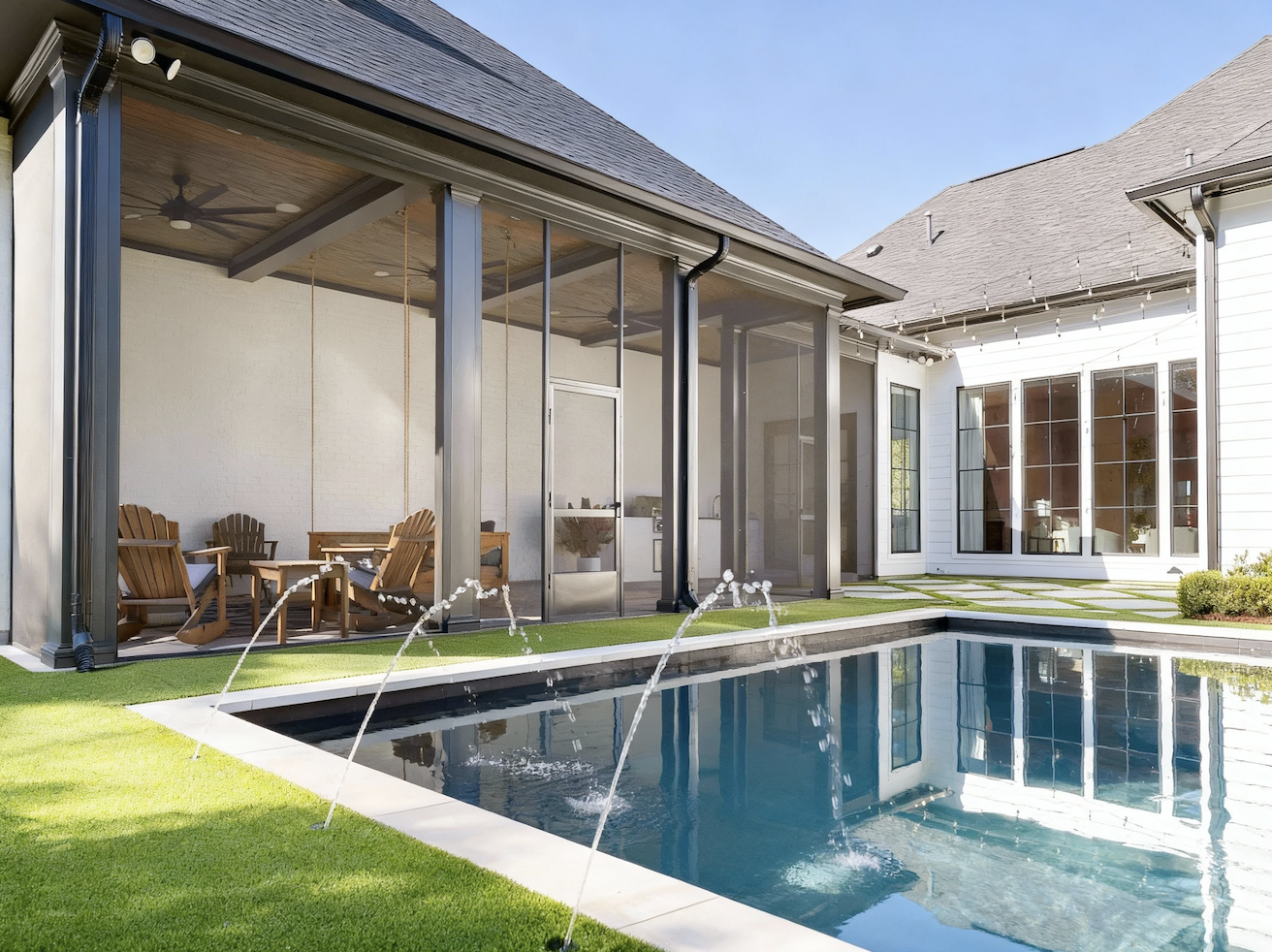
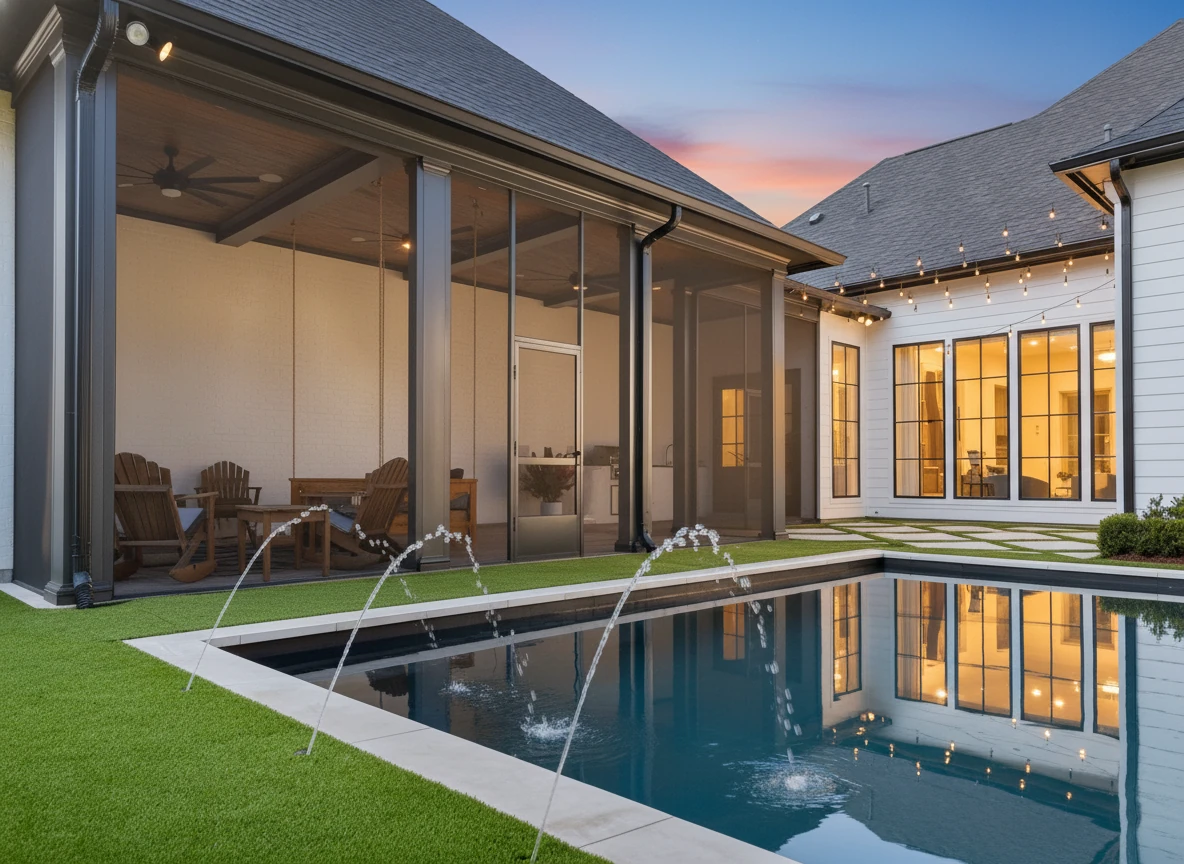
Day to Dusk • Pool Area
When to Choose Virtual Staging vs Physical Staging in Los Angeles
Use virtual staging first when:
- Property is vacant and marketing is photo-first
- Timeline is compressed
- Budget efficiency is a top constraint
- You need rapid A/B style variation
Use physical staging (or hybrid) when:
- In-person buyer walkthrough experience is central to sale strategy
- Luxury positioning requires physical texture and spatial feel onsite
- Listing will benefit from staged open houses over a longer campaign
If you’re comparing alternatives directly, this breakdown helps: Virtual staging vs local home staging near me.
LA Workflow Checklist (Agent + Photo Team)
- Confirm target buyer profile and room priorities
- Capture high-quality empty-room photos first
- Apply virtual staging to 6–10 high-impact images
- Review realism: scale, lighting, shadows, edge cleanup
- Export listing-ready set and keep “virtually staged” labeling where required
- Publish and monitor CTR/showing response for iteration
CTA: Test One Listing Before You Standardize the Process
If you’re deciding whether to operationalize AI virtual staging Los Angeles across your pipeline, run one controlled test listing first:
- Stage the same room set you normally prepare
- Compare launch speed and total spend
- Measure early engagement and showing requests
If the test performs, move to a repeatable workflow on the pricing path here: virtual staging packages.
FAQ
How much does virtual staging cost in Los Angeles?
Most services price per photo. Common ranges are roughly $20–$60 per image, with complexity and revisions affecting the final number.
Is virtual staging allowed for MLS listings?
Rules vary by MLS and brokerage policy. Many allow virtual staging when images are clearly labeled and edits are not misleading.
How quickly can I get finished images?
Depending on workflow, turnaround can range from minutes (AI-first tools) to 24–48 hours for manual editing services.
Does virtual staging work for luxury Los Angeles listings?
It can, especially for digital marketing and pre-showing interest. Some luxury campaigns still combine virtual assets with physical staging for onsite experience.