Article Summary
Visualizing the potential of a property is the biggest hurdle for buyers. This gallery of virtual staging examples demonstrates how StagerGo transforms empty or outdated spaces into compelling homes. We've categorized examples by Room Type (Living Rooms, Bedrooms, Kitchens) and Design Style (Modern, Scandinavian, Traditional, Coastal) to help you find the perfect look for your listing. Each example includes tips on why that specific style was chosen, helping you make data-driven design decisions for your own properties.
Virtual Staging Examples: Find Your Style
Not sure which style fits your listing? Browse our extensive gallery of virtual staging examples categorized by room type and design aesthetic. Whether you're selling a downtown loft or a countryside cottage, we have a style that will resonate with your buyers.
By Room Type
The room type dictates the furniture needed, but the style dictates the emotional connection.
Living Rooms
The living room sets the tone for the entire home. It must feel spacious yet inviting.
- Modern Living Room: Low profile sofas, geometric rugs, minimal clutter. Best for: Condos, new builds.
- Traditional Living Room: Rolled-arm sofas, warm wood tones, classic art. Best for: Suburban family homes.
- Bohemian Living Room: Textured throws, plants, eclectic decor. Best for: Historic or artistic neighborhoods.
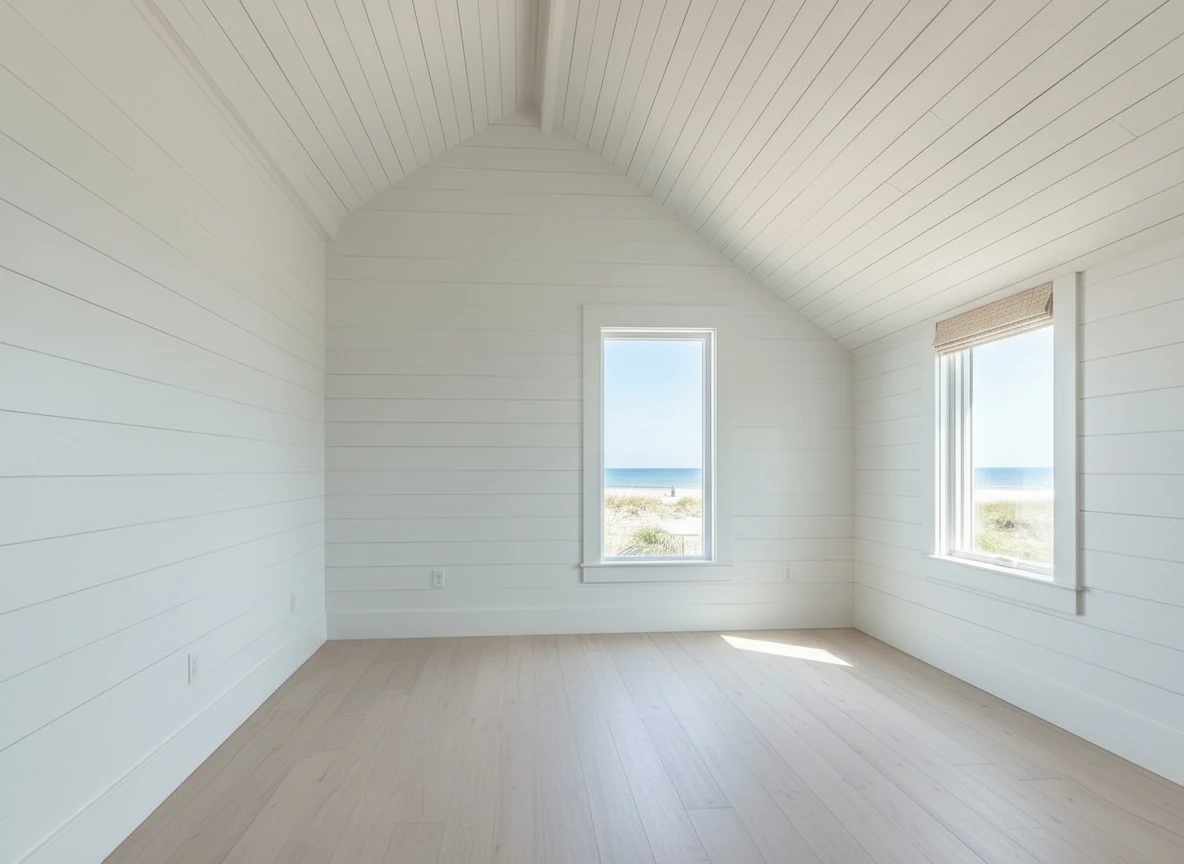
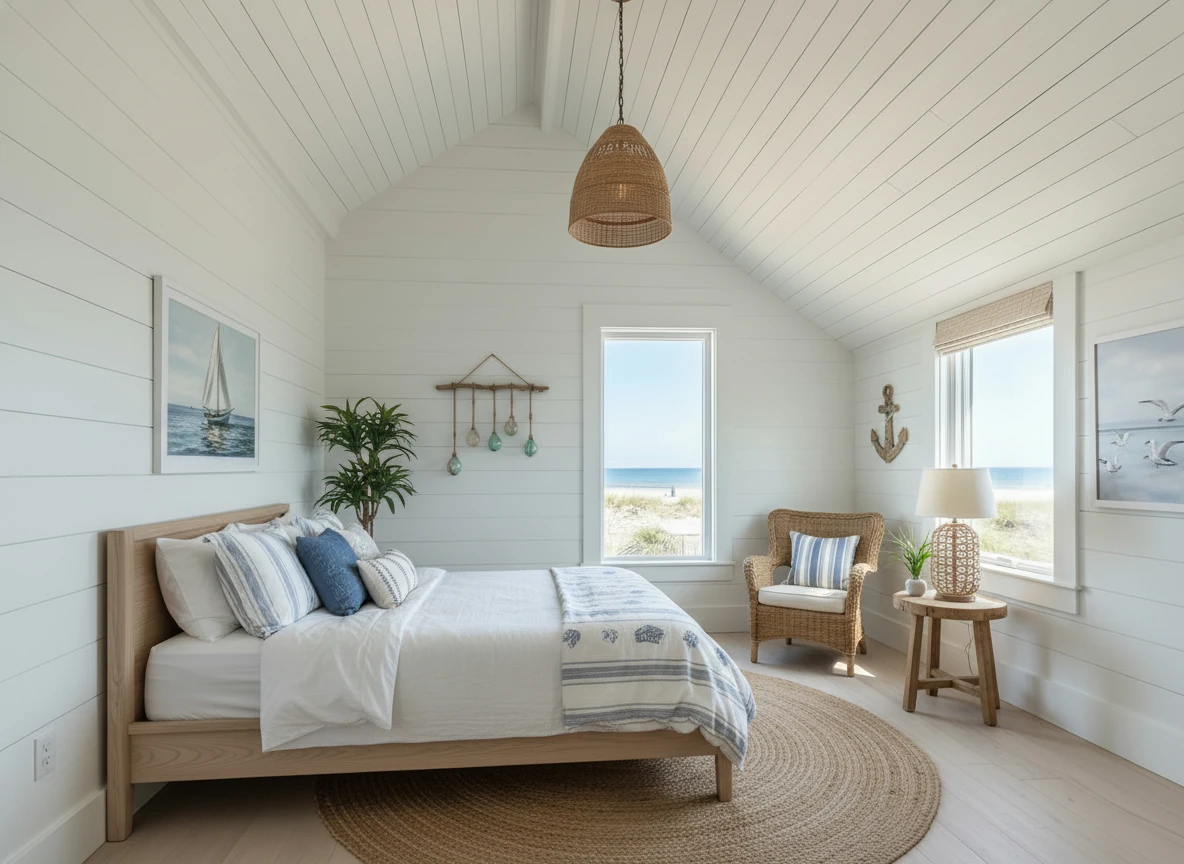
Create a photo of the same bedroom, virtually staged in a Coastal style. Include a light wood bed frame against the wall on the left, white and blue bedding, a jute rug under, and nautical-themed decor. A chair against the corner to the right. Some paintings on the wall, and a 1-2 green plants around the room, and a ceiling light in the middle of the room
Bedrooms
Create a relaxing retreat buyers can't wait to sleep in. The goal is to show the room can fit a large bed comfortably.
- Master Suite: King bed, layered bedding, bedside lamps, seating area. Key element: Symmetry.
- Guest Room: Queen bed, simple side tables, inviting decor. Key element: Functionality.
- Kids Room: Twin beds, playful colors, organized toy storage. Key element: Imagination.
Dining Rooms
Show buyers where they will host holiday dinners. An empty dining room often looks like a pass-through space.
- Formal Dining: Large rectangular table, upholstered chairs, centerpiece.
- Breakfast Nook: Round table, casual seating, bright lighting.
Home Offices
With remote work on the rise, a staged office is a must-have for any spare room or nook.
- Executive Office: Large desk, leather chair, bookshelves. Signals: Serious business.
- Creative Studio: Bright desk, art supplies, inspiring mood. Signals: Productivity and light.
By Design Style
StagerGo offers a wide range of AI styles. Here is a breakdown of the most popular ones and where to use them.
Modern
Best for: Urban condos, new construction, renovated flips. Features: Clean lines, neutral color palette (grey, white, black), metal and glass accents. Vibe: Sleek, sophisticated, current. Why it works: It makes small spaces look larger due to less bulky furniture.
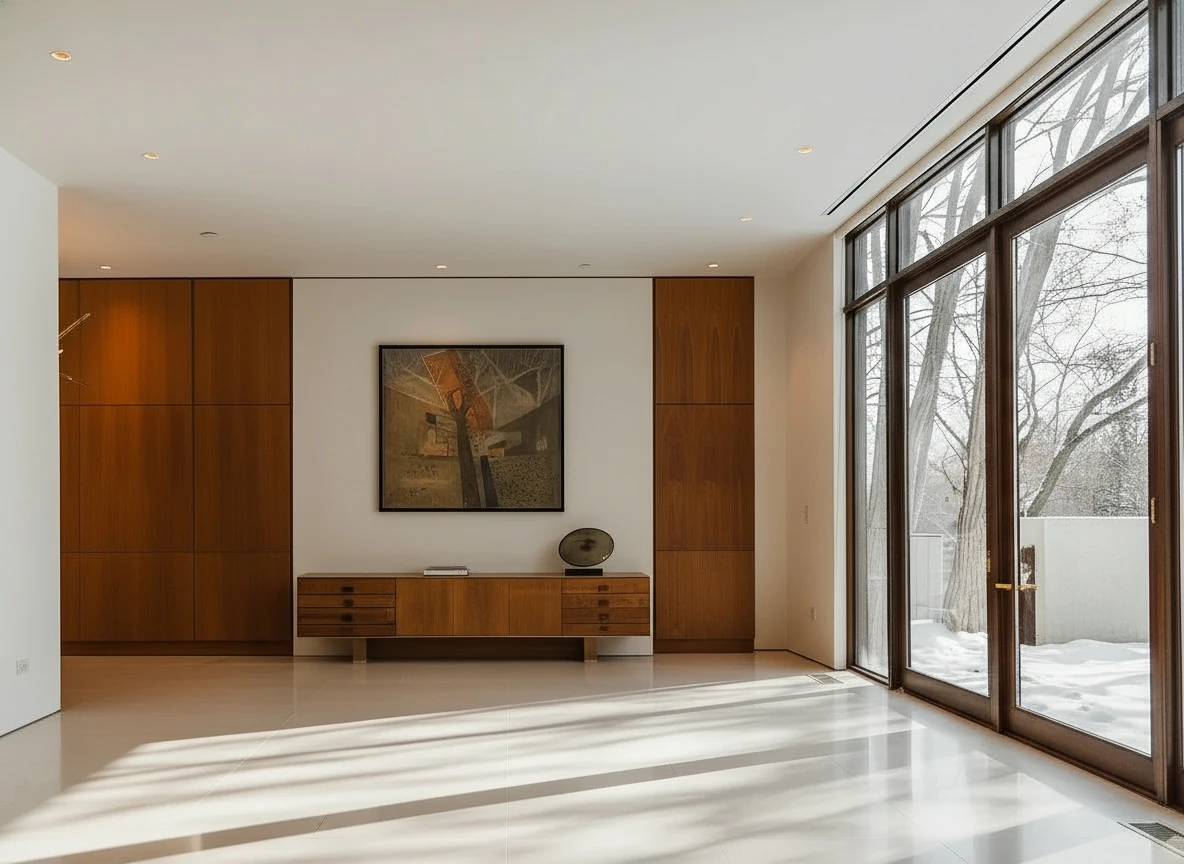
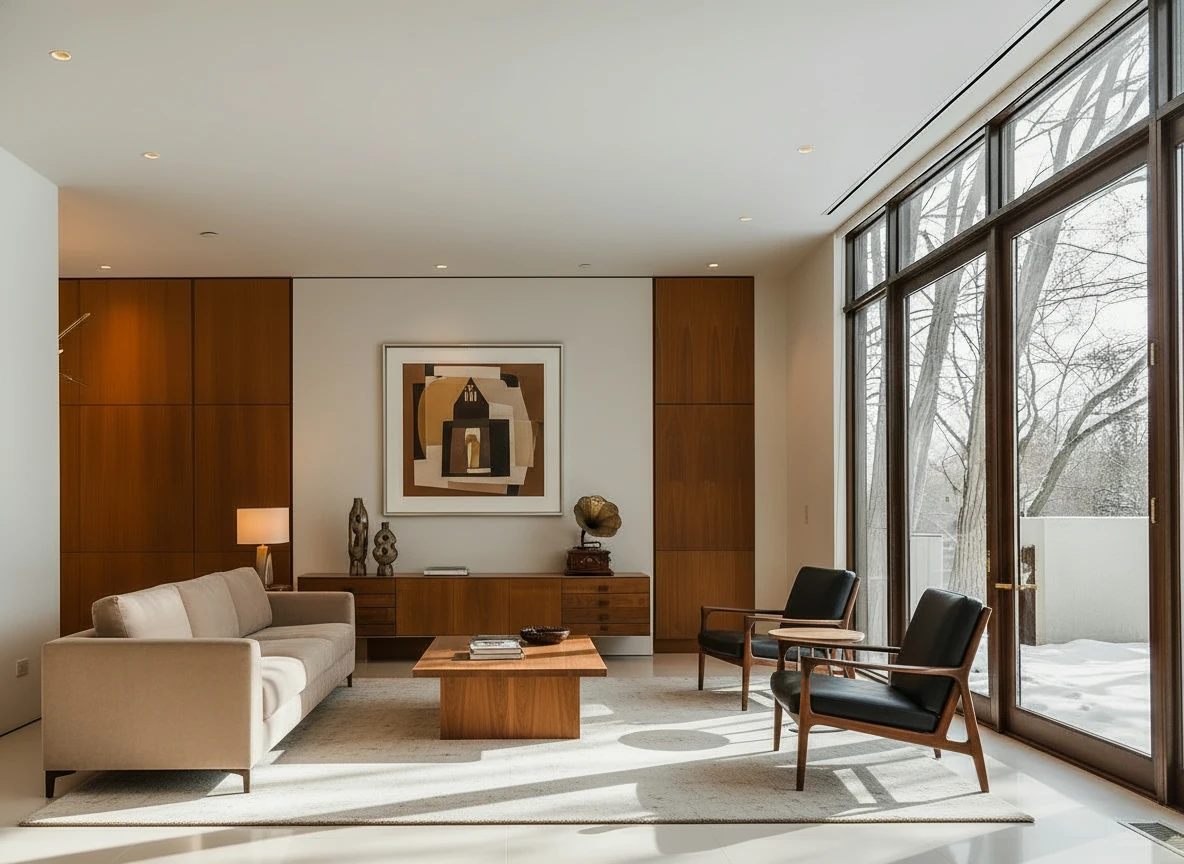
Furnish the room with a long beige sofa on the left facing a rectangular walnut coffee table (1.6m × 0.8m) centered on a light cream rug. Add two black leather lounge chairs with wooden frames opposite the sofa, one angled toward the windows. Behind, place a low walnut sideboard spanning the width between two tall built-in wood panels, decorated with sculptural vases and a gramophone. Mount a large abstract artwork above the sideboard. Finish with a warm table lamp on the side table near the sofa, soft downlights, and full-height glass doors along the right wall. Make sure the placement of furnitures are reasonable based on the room layout
Scandinavian (Scandi)
Best for: Smaller homes, apartments, dark rooms (to brighten them). Features: Light woods, white walls, cozy textiles (hygge), functional furniture. Vibe: Airy, bright, comfortable. Why it works: The light color palette reflects light, making rooms feel cleaner and more open.
Traditional
Best for: Historic homes, suburban estates, older demographics. Features: Rich wood tones, classic patterns (floral, damask), substantial furniture. Vibe: Timeless, warm, established. Why it works: It feels "expensive" and permanent, appealing to buyers looking for a forever home.
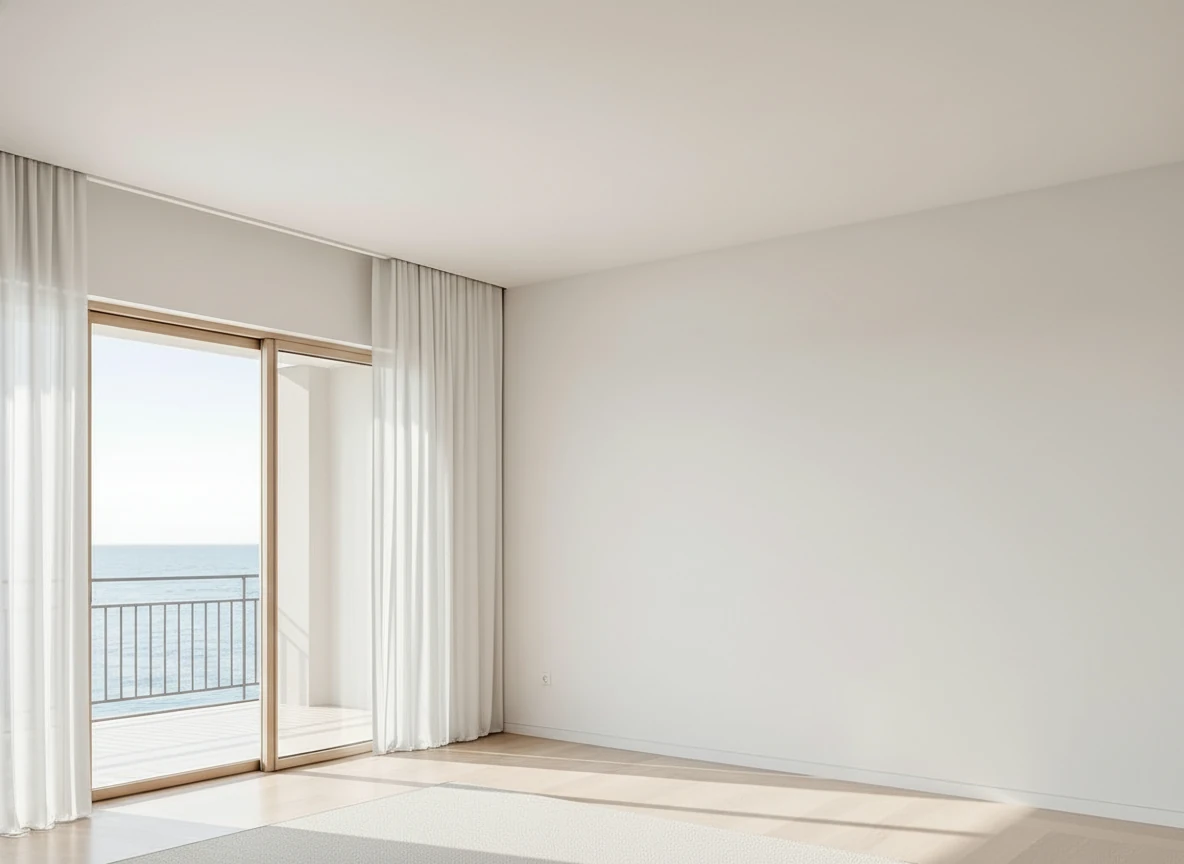
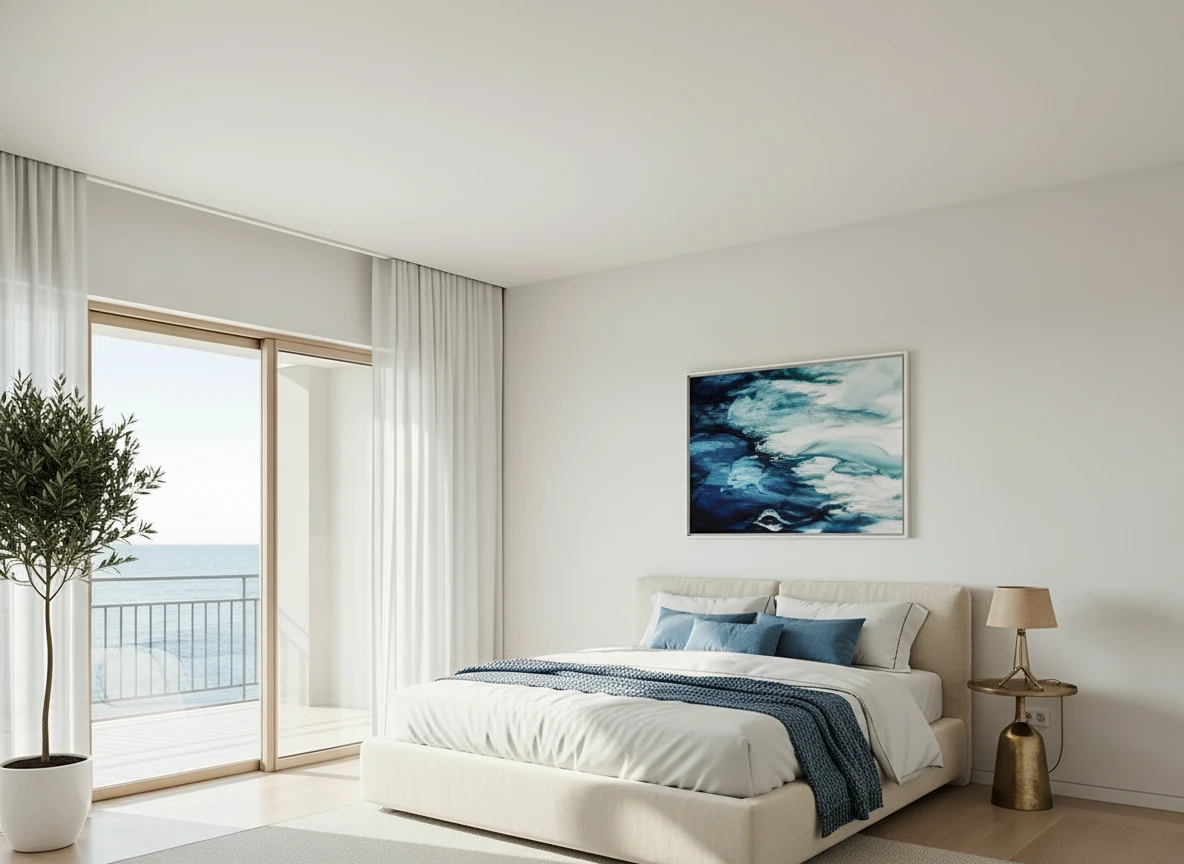
Furnish the serene bedroom with a low-profile cream platform bed centered on a large textured beige rug. Dress the bed in white linens with a soft blue throw and matching accent pillows for contrast. Place a tall potted olive tree in a white planter beside the sliding glass doors, and a small brass bedside lamp on the right. Hang a framed ocean-themed artwork above the bed to echo the seaside view. Keep floor-to-ceiling white curtains along the balcony doors, light wood flooring, and minimal decor to maintain an airy, coastal feel.
Coastal / Hamptons
Best for: Beach houses, lakefront properties, vacation rentals. Features: Blues and whites, linen fabrics, wicker/rattan accents, light woods. Vibe: Relaxed, breezy, vacation-mode. Why it works: It sells a lifestyle of relaxation, even if the property isn't directly on the water.
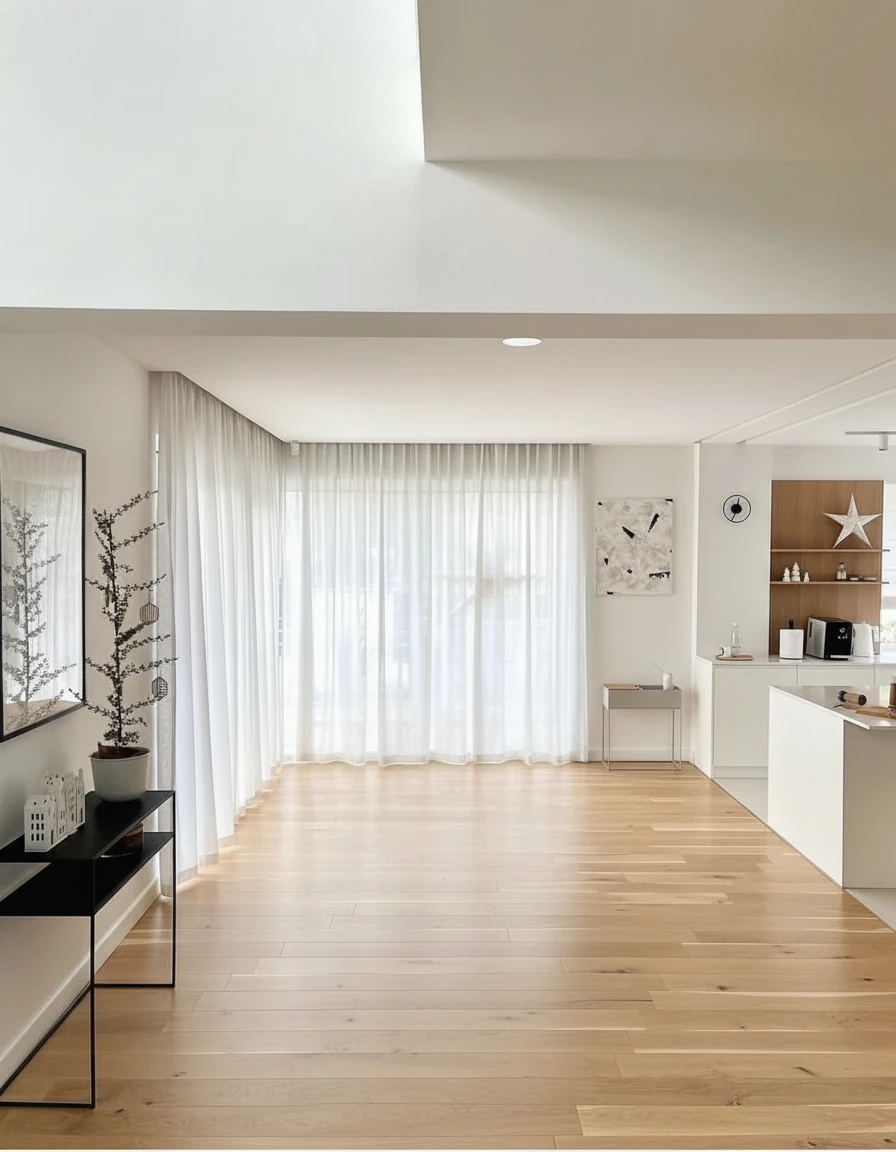
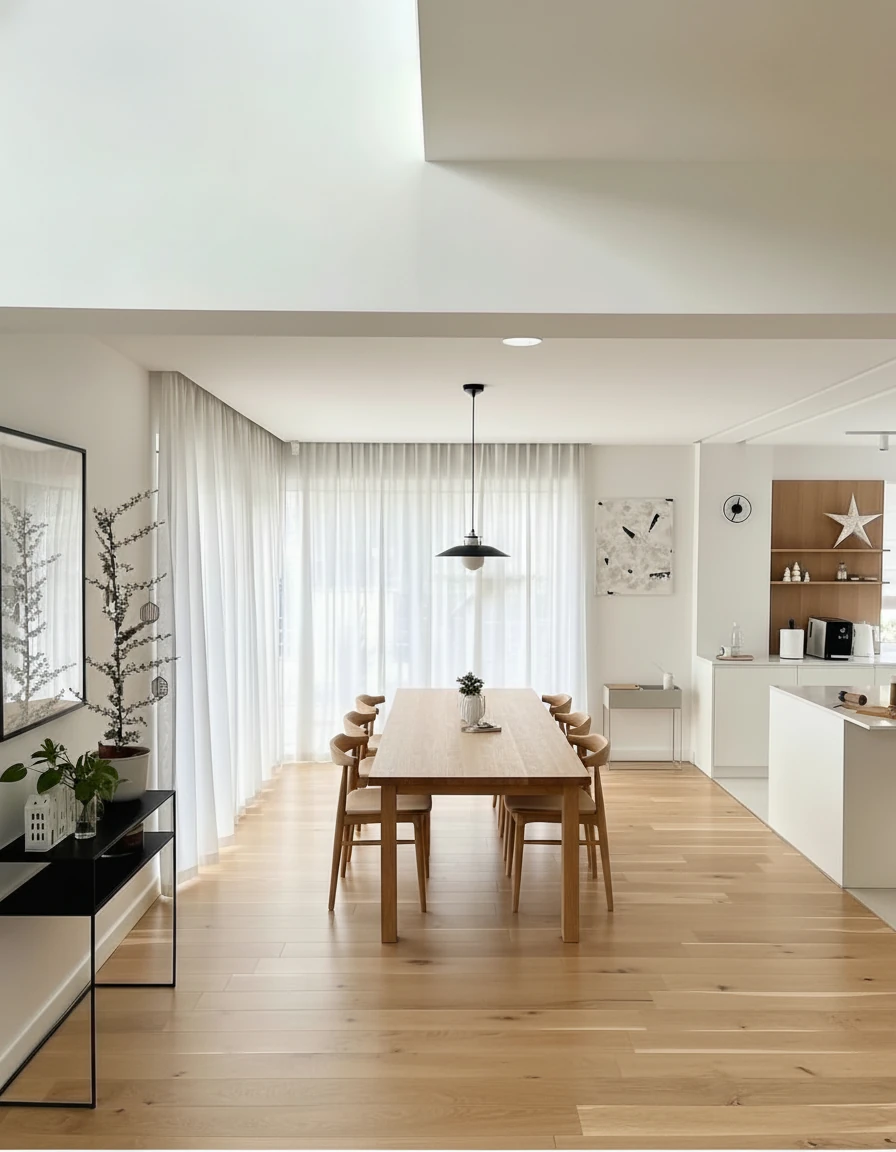
Furnish the dining area with a long natural oak dining table (3m × 1m) centered on the wooden floor, surrounded by eight matching curved-back oak chairs. Above the table, install a pair of minimalist black-and-white pendant lights aligned along the centerline. Add sheer white curtains across the full window wall for soft daylight diffusion. Place a slim black console with potted plants and small decor on the left wall, and keep the adjoining kitchen open with white cabinetry and oak shelving for a warm, cohesive look.
Industrial
Best for: Lofts, converted warehouses, exposed brick apartments. Features: Leather, raw wood, exposed metal, vintage accents. Vibe: Edgy, masculine, urban. Why it works: It embraces the "rough" elements of a space (like concrete floors or pipes) and turns them into features.
Farmhouse
Best for: Country homes, suburban family homes. Features: Shiplap, distressed wood, slipcovered furniture, rustic accents. Vibe: Cozy, welcoming, family-oriented. Why it works: It creates an immediate sense of "home" and comfort.
Outdoor Spaces
Don't forget the exterior! Outdoor living spaces are top priorities for buyers.
- Patio: Outdoor dining set, umbrella, potted plants.
- Poolside: Lounge chairs, towels, side tables.
- Balcony: Bistro set, greenery to create privacy.
Before & After Case Studies
Seeing the transformation side-by-side highlights the power of staging.
Case Study 1: The "Unsellable" Living Room
- Before: Dark, cluttered with old tenant furniture.
- Action: Used Object Removal to clear the room, then applied Modern staging.
- Result: The room looked twice as big and sold in 4 days.
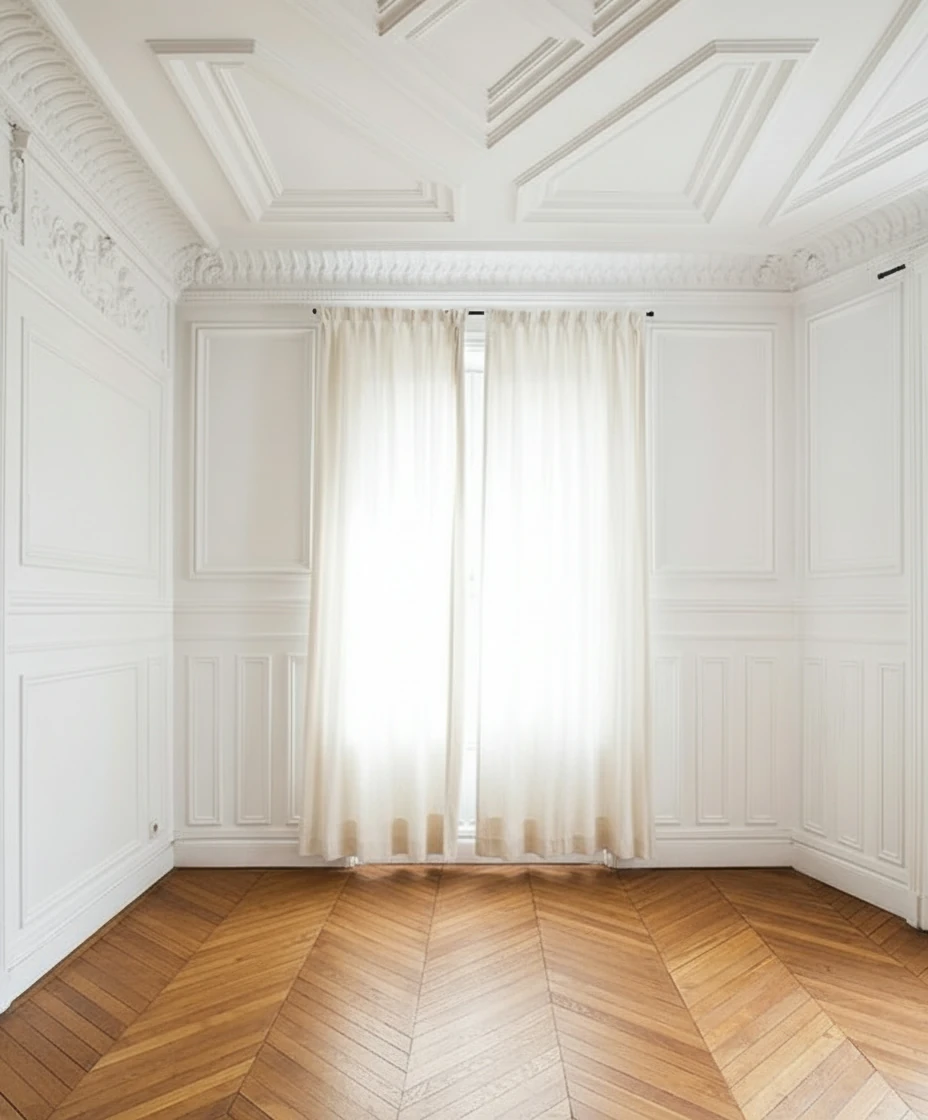
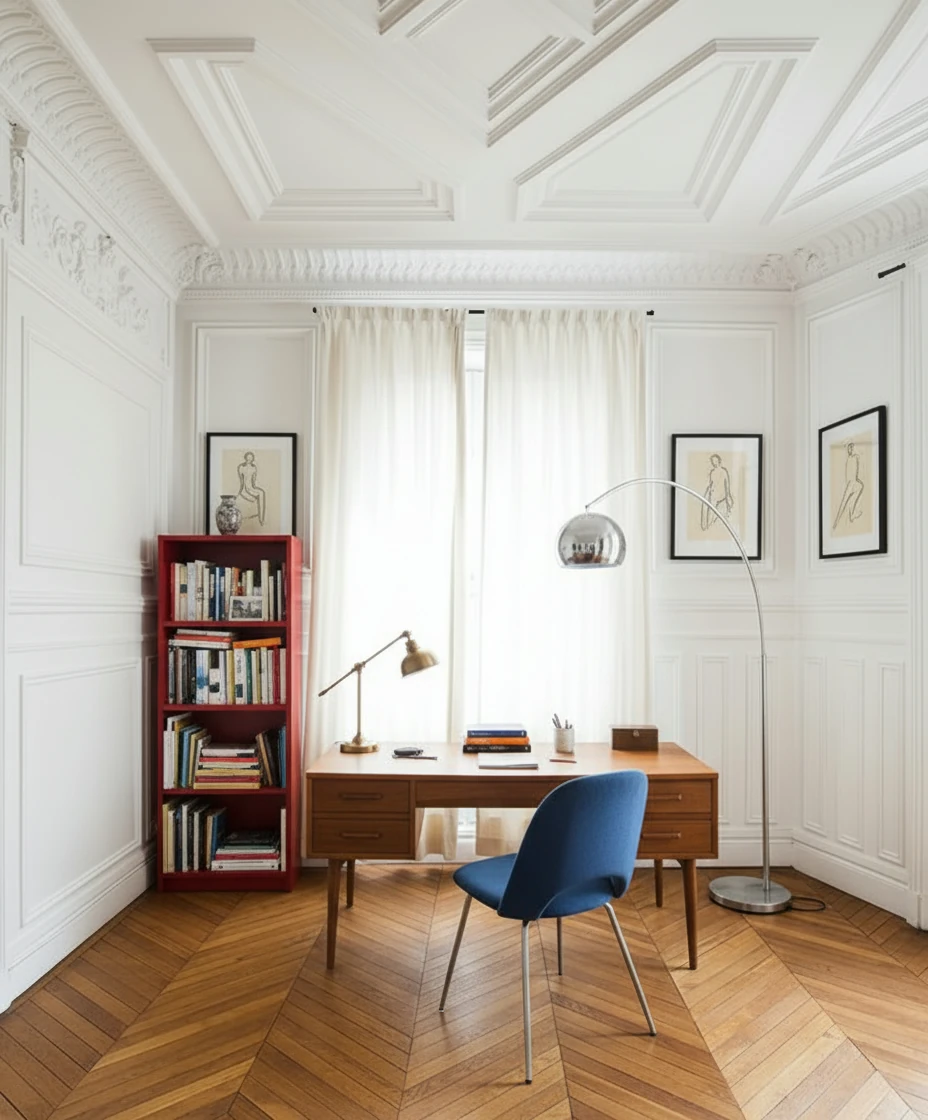
Furnish the study with a mid-century wooden desk centered in front of tall, cream-draped windows, paired with a blue-upholstered chair featuring metal legs. Place a vintage desk lamp and neatly arranged books and stationery on the desk. To the left, add a red open bookshelf filled with books and decorative objects. Include a tall arched chrome floor lamp curving over the desk for dramatic lighting. Hang two framed figure drawings symmetrically on either side of the window. Keep the ornate white paneled walls and chevron wood floor exposed for a refined Parisian atmosphere.
Case Study 2: The Empty "Bowling Alley"
- Before: A long, narrow empty room that buyers couldn't figure out.
- Action: Staged as a Dining Room + Living Area combo using Scandinavian style.
- Result: Defined the space's function clearly.
How to Choose the Right Style
- Look at the Architecture: Does the home have crown molding (Traditional) or concrete floors (Industrial)? Match the bones of the house.
- Look at the Buyer: Are you targeting young professionals (Modern/Industrial) or retirees (Traditional)?
- Look at the Price: Luxury listings need "Luxury" staging; starter homes need approachable "Scandi" or "Farmhouse" styles.
Ready to see these styles in your listing? Upload a photo to StagerGo and switch between styles instantly to find the perfect match.
Detailed Style Breakdown: When to Use Each
Choosing the right style isn't just about aesthetics—it's about matching buyer expectations to neighborhood demographics. Here's a comprehensive guide:
Modern (Contemporary)
Target Buyers: Millennials (28-42), tech professionals, urban dwellers
Price Range: $300K-$1.5M
Best Markets: San Francisco, Seattle, Austin, Denver, Portland
Furniture Characteristics:
- Low-profile sofas with clean lines
- Glass or acrylic coffee tables
- Abstract or geometric art
- Monochromatic color schemes (gray, white, black)
- Minimal accessories
When to Use:
- New construction or recently renovated homes
- Open-concept floor plans
- Properties with modern finishes (quartz counters, stainless appliances)
- Condos and urban lofts
When to Avoid:
- Historic homes with ornate details
- Suburban family neighborhoods
- Properties with traditional architecture
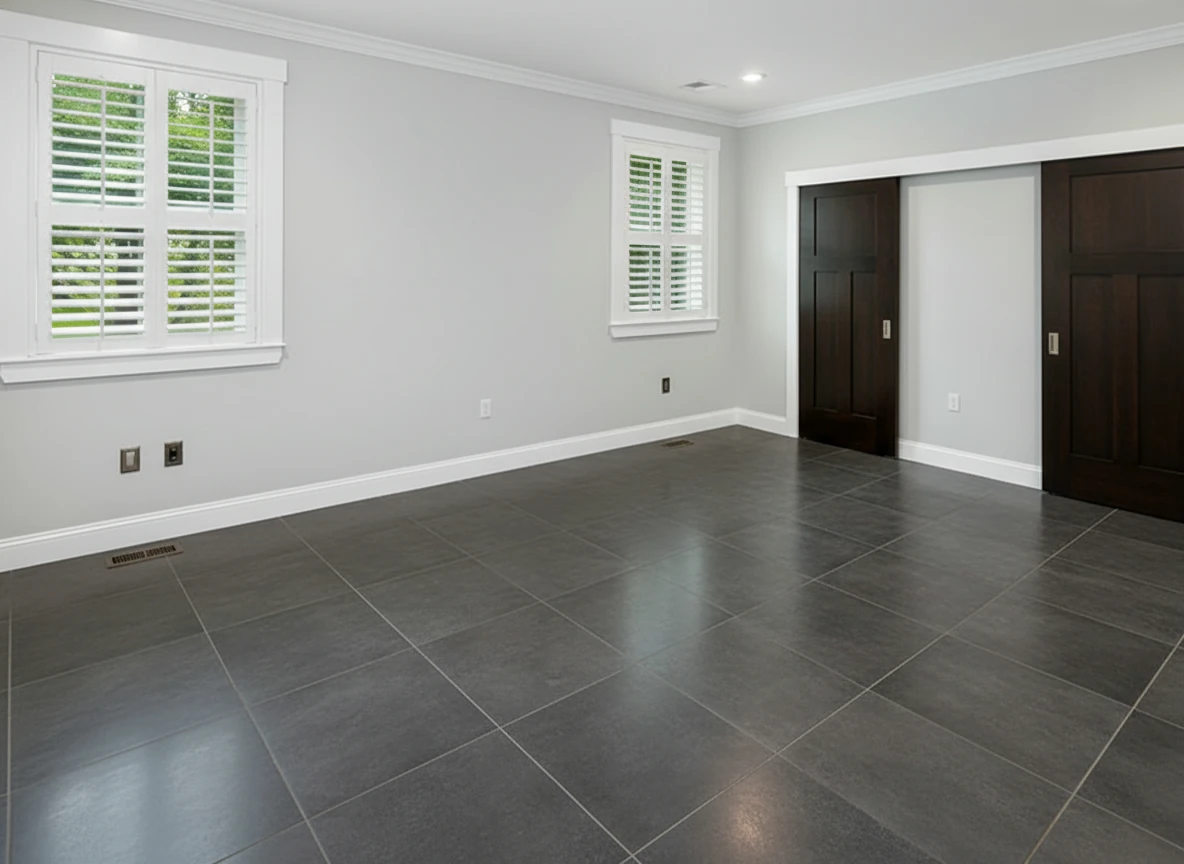
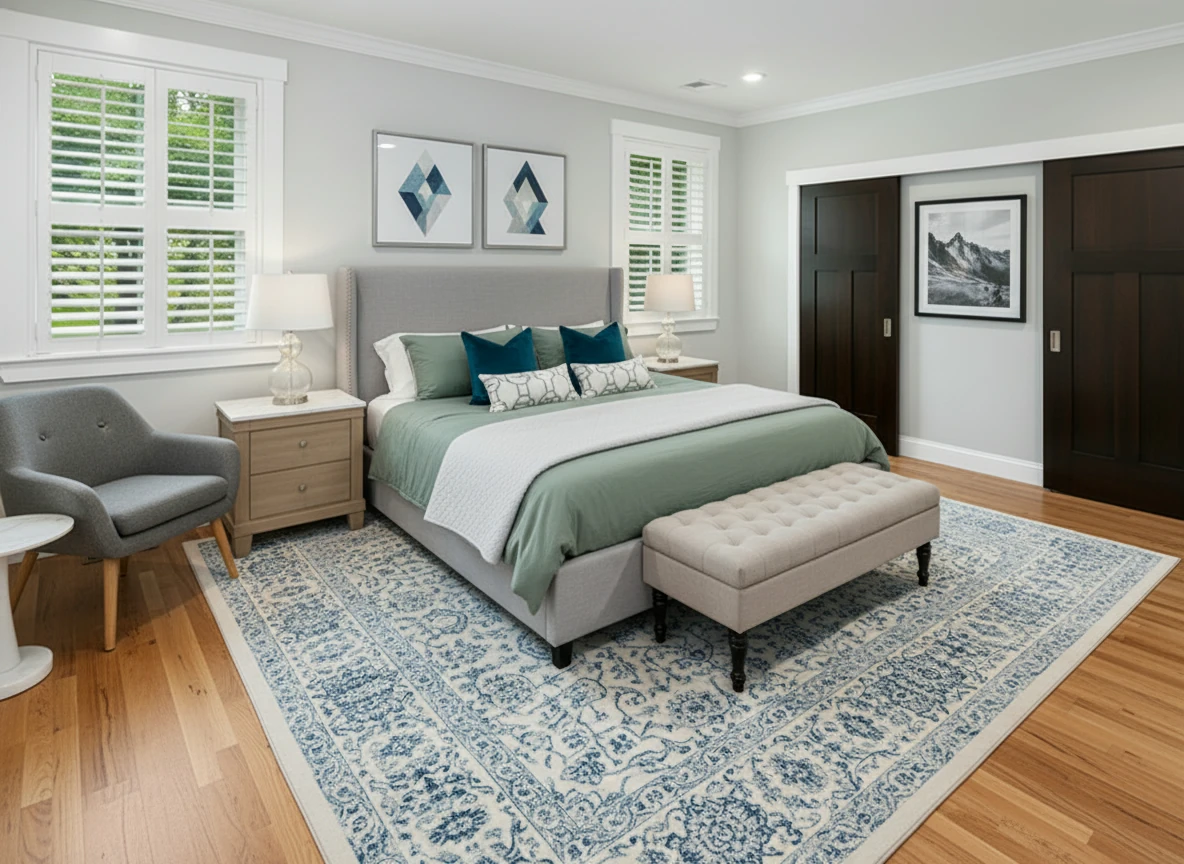
Furnish the bedroom with a soft gray upholstered bed centered on a patterned blue-and-white rug, dressed in sage bedding, two dark teal accent pillows, and geometric white bolster pillows. Add matching light oak nightstands with white tops and glass-base lamps on each side. Place a tufted beige bench at the foot of the bed. Include a gray lounge chair with wooden legs and a white round side table in the left corner. Hang two geometric art prints above the headboard and one black-and-white mountain print on the right wall. Keep light gray walls, white trim, and natural wood flooring for a bright, calm atmosphere.
Pro Tip: Modern staging makes small spaces feel larger because the furniture has less visual weight.
Scandinavian (Scandi/Nordic)
Target Buyers: First-time buyers, young families, minimalists
Price Range: $200K-$600K
Best Markets: Minneapolis, Portland, Seattle, Boston
Furniture Characteristics:
- Light wood tones (birch, ash, pine)
- White or cream upholstery
- Cozy textiles (throws, pillows)
- Functional, multi-purpose furniture
- Greenery and natural elements
When to Use:
- Smaller homes or apartments
- Dark rooms that need brightening
- Homes with good natural light
- Budget-conscious buyers
When to Avoid:
- Luxury properties (looks too budget-friendly)
- Homes with dark wood floors (creates too much contrast)
- Formal dining rooms
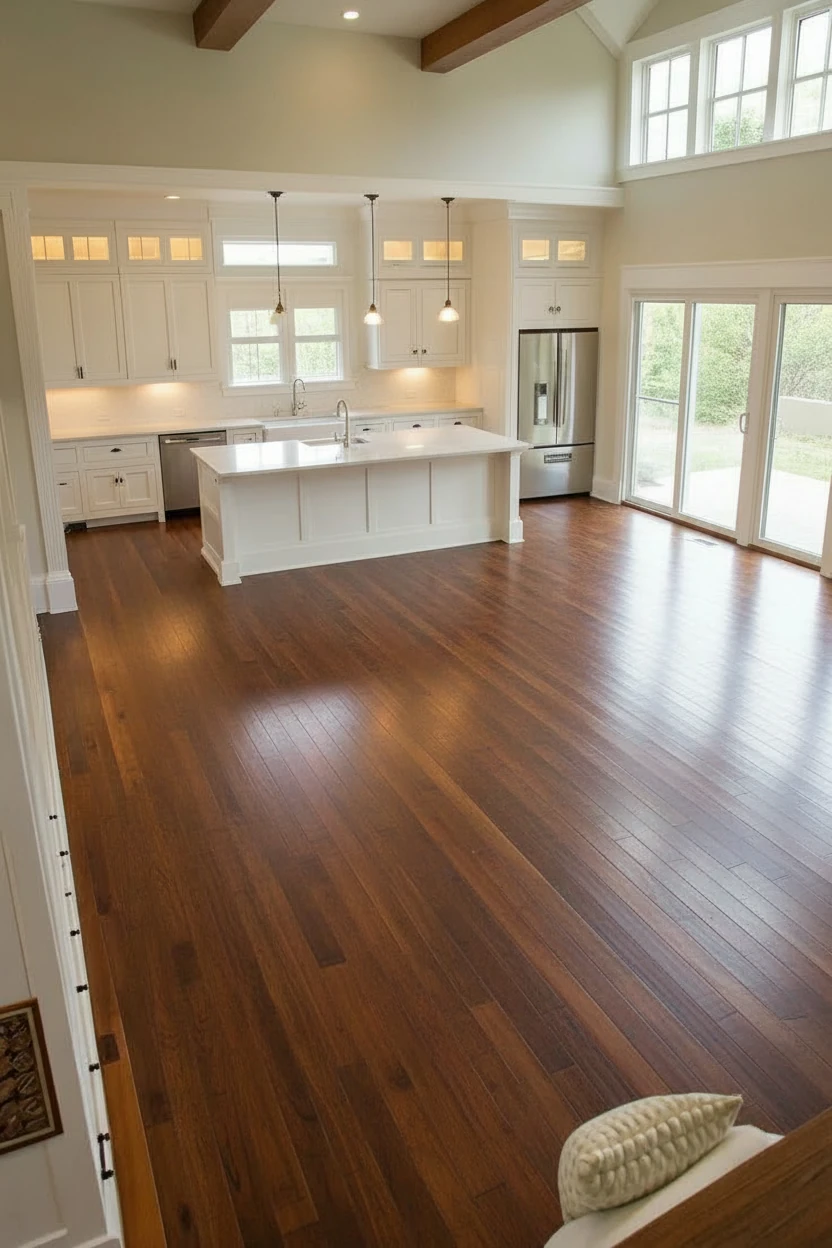
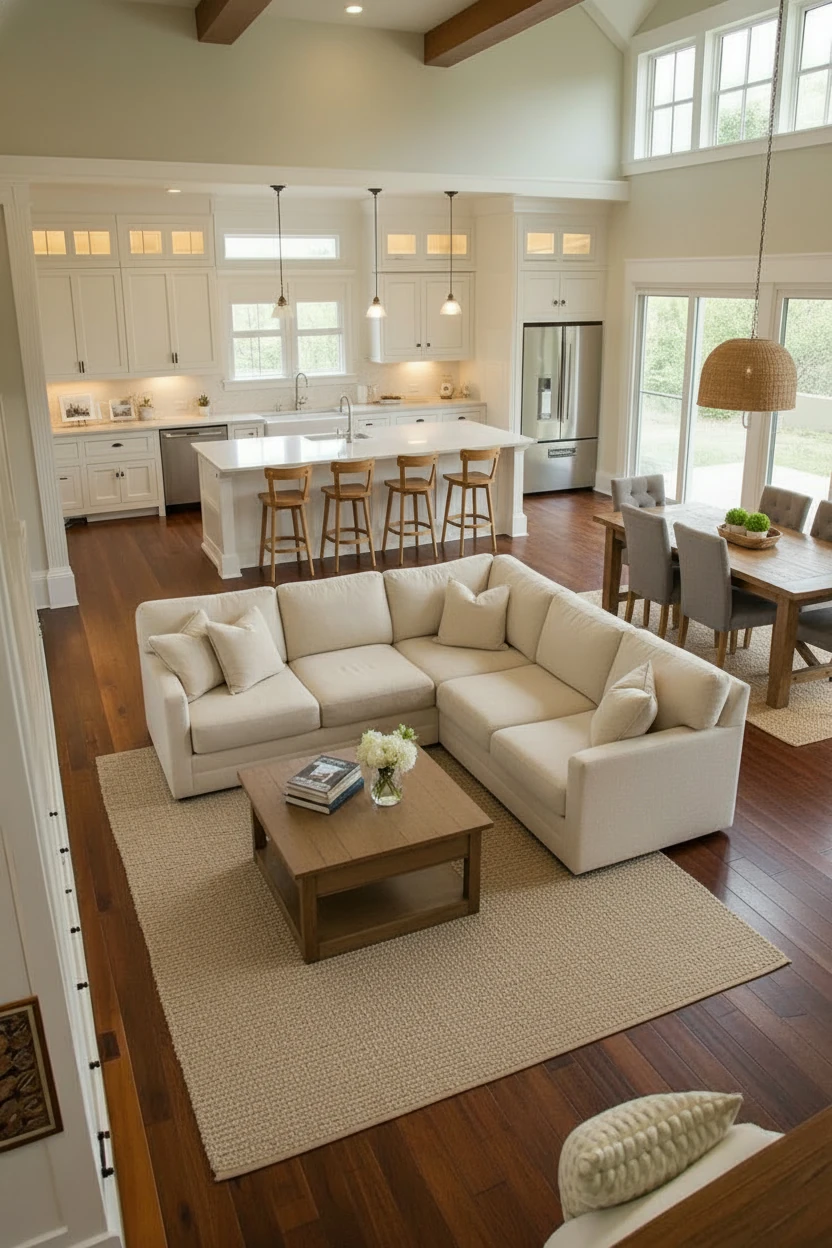
Furnish the open living space with a large cream L-shaped sectional sofa centered on a beige woven rug. Place a square wooden coffee table in front, styled with books and a vase. Behind the sofa, position a spacious white kitchen island with four wooden bar stools and hanging glass pendant lights above. The kitchen features all-white cabinetry, a stainless-steel fridge, and wood accents for warmth. To the right, add a solid wood dining table with six upholstered chairs beneath a woven pendant lamp. Maintain hardwood flooring throughout, high ceilings with wooden beams, and large windows for abundant natural light.
Pro Tip: Scandi style is the safest choice for broad appeal—it offends no one and appeals to many.
Traditional (Classic)
Target Buyers: Families (35-60), move-up buyers, retirees
Price Range: $400K-$2M
Best Markets: Suburbs nationwide, established neighborhoods
Furniture Characteristics:
- Rolled-arm sofas and wingback chairs
- Dark or medium wood tones (cherry, mahogany)
- Oriental or Persian-style rugs
- Table lamps with fabric shades
- Formal arrangements
When to Use:
- Historic homes or older properties
- Suburban family neighborhoods
- Homes with architectural details (crown molding, wainscoting)
- Formal dining rooms
When to Avoid:
- Modern condos or lofts
- Small spaces (furniture is bulkier)
- Tech-hub markets
Pro Tip: Traditional staging signals "forever home" and appeals to buyers looking for stability.
Coastal (Hamptons/Beach)
Target Buyers: Second-home buyers, retirees, vacation rental investors
Price Range: $400K-$3M+
Best Markets: Coastal areas (obviously), lakefront properties, warm climates
Furniture Characteristics:
- White or cream slipcovered sofas
- Blue and white color palette
- Natural materials (jute, rattan, driftwood)
- Nautical touches (without being kitschy)
- Light, airy fabrics
When to Use:
- Beach houses or waterfront properties
- Homes with water views
- Vacation rental properties
- Warm-climate markets
When to Avoid:
- Urban condos
- Cold-climate markets
- Homes without natural light
Pro Tip: Coastal staging sells a lifestyle, not just a house. It works even for inland properties if the aesthetic fits.
Industrial (Urban Loft)
Target Buyers: Young professionals, creatives, urban dwellers
Price Range: $350K-$1.2M
Best Markets: NYC, Chicago, LA, converted warehouse districts
Furniture Characteristics:
- Leather sofas and chairs
- Raw wood tables (reclaimed or distressed)
- Metal accents (iron, steel)
- Exposed brick or concrete as features
- Edison bulb lighting
When to Use:
- Lofts and converted warehouses
- Properties with exposed brick or concrete
- Urban apartments with high ceilings
- Homes with minimal architectural detail
When to Avoid:
- Suburban homes
- Properties with traditional architecture
- Family-focused neighborhoods
Pro Tip: Industrial staging embraces "imperfections" (exposed pipes, concrete floors) and turns them into selling points.
Farmhouse (Modern Farmhouse)
Target Buyers: Families, DIY enthusiasts, suburban buyers
Price Range: $300K-$800K
Best Markets: Midwest, South, rural areas, suburban fringe
Furniture Characteristics:
- Shiplap or wood accent walls
- Distressed or reclaimed wood furniture
- Slipcovered sofas
- Mason jar accents, vintage signs
- Warm, inviting color palette
When to Use:
- Rural properties or homes with land
- Fixer-uppers or renovated homes
- Suburban family neighborhoods
- Homes with rustic elements
When to Avoid:
- Modern condos
- Urban markets
- Luxury properties
Pro Tip: Farmhouse staging creates immediate emotional warmth—buyers can imagine family gatherings.
Transitional (Blend of Modern & Traditional)
Target Buyers: Broad appeal, safe choice for any demographic
Price Range: $300K-$1.5M
Best Markets: Anywhere
Furniture Characteristics:
- Clean-lined furniture with some traditional elements
- Neutral colors with pops of color
- Mix of wood tones
- Balance of formal and casual
When to Use:
- When you're unsure of the target buyer
- Homes that blend old and new elements
- Properties in diverse neighborhoods
- When you want maximum broad appeal
When to Avoid:
- When a strong style statement is needed
- Ultra-modern or ultra-traditional homes
Pro Tip: Transitional is the "Swiss Army knife" of staging—it works for almost everything.
Room-Specific Examples with Detailed Analysis
Let's dive deeper into specific room types with strategic staging advice:
Living Room Examples
Small Living Room (Under 200 sq ft)
Challenge: Making the space feel functional without cramping it
Solution:
- Use a loveseat or apartment-size sofa (not a full sectional)
- Skip the coffee table or use a small ottoman
- Mount TV on wall to save floor space
- Use light colors to reflect light
Style Recommendation: Scandinavian or Modern
Large Living Room (Over 400 sq ft)
Challenge: Filling the volume without making it look like a furniture showroom
Solution:
- Create multiple seating areas (main conversation area + reading nook)
- Use large-scale furniture (oversized sectional)
- Add area rugs to define zones
- Include floor lamps for layered lighting
Style Recommendation: Traditional or Luxury
Bedroom Examples
Master Bedroom with Sitting Area
Challenge: Showing the room's luxury potential
Solution:
- King-size bed centered on longest wall
- Matching nightstands with lamps (symmetry = luxury)
- Bench at foot of bed
- Two armchairs with side table in corner
Style Recommendation: Contemporary Elegance or Traditional
Small Guest Bedroom (10x10)
Challenge: Proving a full-size bed fits
Solution:
- Full or Queen bed (not King)
- Slim nightstands or wall-mounted shelves
- Vertical storage (tall dresser vs. wide)
- Light colors to maximize perceived space
Style Recommendation: Scandinavian or Modern
Kitchen & Dining Examples
Eat-In Kitchen
Challenge: Showing the breakfast nook is functional
Solution:
- Round or square table (fits better than rectangular)
- 2-4 chairs depending on space
- Simple centerpiece (bowl of fruit, small plant)
- Ensure walkway clearance (3 feet minimum)
Style Recommendation: Farmhouse or Transitional
Formal Dining Room
Challenge: Preventing it from looking like a museum
Solution:
- Rectangular table sized for the room
- 6-8 chairs (even if table seats more)
- Centerpiece that's elegant but not fussy
- Ensure chandelier is "on" in photo
Style Recommendation: Traditional or Transitional
Home Office Examples
Dedicated Office (Former Bedroom)
Challenge: Showing it's a legitimate workspace
Solution:
- Large desk (not a small writing desk)
- Ergonomic office chair
- Bookshelf or filing cabinet
- Desk lamp and laptop
- Window view if possible
Style Recommendation: Industrial or Modern
Alcove/Nook Office
Challenge: Maximizing dead space
Solution:
- Floating desk or wall-mounted desk
- Compact chair
- Floating shelves above
- Good lighting
Style Recommendation: Modern or Scandinavian
Outdoor Space Examples
Outdoor staging is often overlooked but can significantly increase perceived value:
Patio/Deck
Must-Have Elements:
- Outdoor dining set (table + 4-6 chairs)
- Umbrella or shade structure
- Potted plants or planters
- Outdoor rug (defines the space)
Optional Elements:
- Outdoor sofa or lounge chairs
- Fire pit or outdoor fireplace
- String lights or lanterns
Style Recommendation: Coastal or Farmhouse
Balcony (Small)
Must-Have Elements:
- Bistro set (small table + 2 chairs)
- Potted plants for privacy
- Outdoor rug
Avoid:
- Full-size furniture (makes it look cramped)
- Too many accessories
Style Recommendation: Modern or Scandinavian
Style Mixing: When It Works (and When It Doesn't)
When to Mix Styles
✅ Transitional + Modern
- Works because: Both use clean lines
- Example: Modern sofa with traditional rug
✅ Coastal + Scandinavian
- Works because: Both use light colors and natural materials
- Example: White Scandi furniture with blue coastal accents
✅ Farmhouse + Traditional
- Works because: Both emphasize warmth and comfort
- Example: Farmhouse table with traditional chairs
When NOT to Mix Styles
❌ Modern + Traditional
- Clashes because: Opposite design philosophies
- Example: Sleek modern sofa with ornate Victorian chair
❌ Industrial + Coastal
- Clashes because: Conflicting vibes (urban vs. beach)
- Example: Raw metal furniture with beach decor
❌ Farmhouse + Modern
- Clashes because: Rustic vs. sleek don't blend well
- Example: Distressed wood with glass and chrome
Regional Style Preferences
Different parts of the country have distinct style preferences:
West Coast (CA, OR, WA)
Preferred Styles: Modern, Scandinavian, Coastal
Why: Tech-forward culture, emphasis on minimalism and sustainability
Avoid: Heavy traditional, ornate styles
East Coast (NY, MA, CT)
Preferred Styles: Traditional, Transitional, Industrial (in cities)
Why: Historic architecture, established neighborhoods
Avoid: Farmhouse (unless rural areas)
South (TX, FL, GA)
Preferred Styles: Traditional, Farmhouse, Coastal (coastal areas)
Why: Family-oriented, emphasis on comfort and hospitality
Avoid: Ultra-modern, industrial
Midwest (IL, OH, MI)
Preferred Styles: Transitional, Farmhouse, Traditional
Why: Practical, family-focused, value-oriented
Avoid: Coastal, ultra-modern
Mountain West (CO, UT, MT)
Preferred Styles: Modern, Rustic, Industrial
Why: Outdoor lifestyle, contemporary mountain aesthetic
Avoid: Coastal, traditional
Seasonal Staging Variations
Adjust your staging style based on the season:
Spring Staging
Color Palette: Soft pastels, light greens, whites
Accessories: Fresh flowers, open windows, bright pillows
Best Styles: Coastal, Scandinavian, Transitional
Summer Staging
Color Palette: Bright whites, blues, sunny yellows
Accessories: Outdoor furniture, beach-inspired decor
Best Styles: Coastal, Modern, Scandinavian
Fall Staging
Color Palette: Warm neutrals, burnt orange, deep reds
Accessories: Throw blankets, pillows, fireplace focus
Best Styles: Farmhouse, Traditional, Transitional
Winter Staging
Color Palette: Deep blues, grays, warm woods
Accessories: Cozy textures, layered bedding, warm lighting
Best Styles: Traditional, Farmhouse, Transitional
Common Staging Mistakes (with Examples)
Mistake 1: Wrong Scale
Bad Example: Tiny loveseat in 20x15 great room
Good Example: Large sectional or dual seating areas
Fix: Match furniture size to room volume
Mistake 2: Blocking Focal Points
Bad Example: Sofa placed in front of fireplace
Good Example: Furniture arranged to highlight fireplace
Fix: Orient furniture toward focal points, not away
Mistake 3: Inconsistent Style
Bad Example: Modern living room + Traditional bedroom + Coastal dining
Good Example: Modern throughout with slight variations
Fix: Choose ONE primary style for entire listing
How to Test Styles for Your Listing
With AI staging, you can test multiple styles before committing:
The 3-Style Test
-
Generate 3 versions of your main living room:
- Modern
- Transitional
- Traditional (or Coastal/Farmhouse depending on property)
-
Show to 3-5 people (colleagues, seller, friends)
-
Ask: "Which would you click on if browsing Zillow?"
-
Choose the winner and apply that style to all rooms
Time Investment: 5 minutes with AI staging (vs. impossible with physical staging)
Frequently Asked Questions
How do I know which style is right for my listing?
Look at recently sold comps in the neighborhood. What style were they staged in? Match that.
Can I use different styles for different rooms?
Generally no—consistency is key. Exception: Kids' rooms can deviate slightly.
What if my listing has a mix of old and new features?
Use Transitional style—it blends traditional and modern elements.
Do luxury listings need different staging?
Yes—use "Luxury" or "Elegant" styles with high-end furniture and accessories.
Can I stage outdoor spaces?
Absolutely! Patios, decks, and balconies benefit greatly from staging.
Conclusion
Virtual staging examples demonstrate that the right style can transform a listing from "scroll past" to "must see." By matching your staging style to your target buyer demographic, neighborhood aesthetics, and property architecture, you maximize emotional connection and selling potential.
Ready to find your perfect style? Upload your photos to StagerGo and test multiple styles in minutes. See which resonates most with your vision—then apply it consistently across your entire listing.
Explore Styles Now – Try different looks instantly with AI staging.
Related Resources
- Virtual Staging Tips & Best Practices – Maximize your staging results
- Virtual Staging Before & After Gallery – See real transformations
- Virtual Staging Software Comparison – Find the best platform
- What Is Virtual Staging? – Complete beginner's guide